

On a busy construction site, the term ‘temporary works’ can be a source of significant risk and confusion. Are you clear on your specific duties as a supervisor? Do you understand the critical difference between your role and that of a Coordinator? Getting it wrong can have serious safety and legal consequences, which is why the CITB’s Temporary Works Supervisor Training Course (TWSTC) is so essential for anyone in a supervisory position.

This comprehensive guide is designed to provide the clarity and confidence you need. We will break down everything you need to know about the TWSTC, from the core course content to your day-to-day responsibilities on site. Our aim is to equip you with the knowledge to supervise temporary works effectively, ensure your site remains fully compliant with BS 5975 regulations, and assist you in achieving the correct, accredited certification for your role. Let us help you stay safe and compliant.

Key Takeaways

  • Understand your legal responsibilities by learning to identify temporary works and the specific duties of a supervisor.
  • Clarify the crucial differences between the on-site role of a Supervisor and the overall management role of a Temporary Works Coordinator (TWC).
  • The one-day TWSTC course provides essential knowledge of risk assessments, safety procedures, and compliance with the BS 5975 code of practice.
  • Learn the full process for achieving your CITB certificate, including its 5-year validity and the requirements for renewal.

What is the TWSTC? Understanding Your Role in Temporary Works

In any construction project, ‘temporary works’ are the engineered solutions used to support or protect an existing structure or the permanent works during construction. These can range from simple propping to complex systems like excavation support, formwork, and Scaffolding. Because these structures are critical to site safety, managing them correctly is a legal and moral necessity. This is where the CITB Temporary Works Supervisor Training Course, or TWSTC, becomes essential. It is designed to equip supervisors with the knowledge to oversee these operations safely and effectively.

The role of a Temporary Works Supervisor (TWS) is a vital one, focused on ensuring that temporary works are erected, used, maintained, and dismantled in accordance with the approved design and method statement. It is crucial to understand that this course is about process management and safety supervision, not technical design. Your responsibility as a TWS is to ensure the procedures are followed correctly on the ground.

This accredited training is specifically designed for individuals who have on-site supervisory responsibilities, including:

  • Site supervisors and managers
  • Site foremen
  • Site engineers and agents

The Importance of Managing Temporary Works

The high-risk nature of temporary structures means that failures can have catastrophic consequences. The Health and Safety Executive (HSE) provides extensive guidance on this subject, highlighting that poor management is a leading cause of construction accidents. Proper supervision is not just a matter of legal compliance; it is fundamental to preventing serious injuries, costly project delays, and significant budget overruns, helping you and your business stay safe and compliant.

Understanding the BS 5975 Standard

The entire framework for managing temporary works in the UK is outlined in BS 5975, the approved Code of Practice. This standard defines the essential procedures and allocates key responsibilities to specific roles, including the Temporary Works Supervisor (TWS). The CITB course is structured directly around the principles of BS 5975, ensuring that delegates receive training that is fully aligned with current industry best practices and legal expectations.

TWSTC vs. TWC: Clarifying Key Responsibilities and Courses

In the construction industry, a common point of confusion is the distinction between the Temporary Works Supervisor (TWS) and the Temporary Works Coordinator (TWC). While both roles are critical for site safety, they hold different responsibilities and require separate CITB qualifications. Understanding the difference is essential for ensuring your site has the correct level of management and supervision.

A simple analogy helps clarify their functions: the TWC is the ‘air traffic controller’, managing the overall strategy and coordination from a high level. The TWS is the ‘ground crew’, responsible for the direct, on-the-ground supervision and safety checks.

The Role of the Temporary Works Coordinator (TWC)

The Temporary Works Coordinator holds senior responsibility for managing the entire temporary works process on a project. Their duties are primarily managerial and procedural. The TWC is accountable for ensuring that a suitable temporary works procedure is established and implemented, in line with the industry-standard BS 5975 Code of Practice. This individual, often a site manager or senior engineer, is responsible for appointing competent Supervisors and maintaining the project’s Temporary Works Register. This role requires the comprehensive two-day CITB Temporary Works Coordinator (TWC) course.

The Role of the Temporary Works Supervisor (TWS)

The Temporary Works Supervisor operates under the TWC and is responsible for the direct, hands-on supervision of the temporary works. Their key duty is to ensure that the works are erected, used, and dismantled in accordance with the approved design specifications. The TWS has the authority and responsibility to stop any work that is not being carried out safely or to plan. Effective communication between the TWS and the TWC is vital for maintaining a safe and compliant site. This role is specifically what the one-day TWSTC course is designed for.

Which Course Do You Need?

Choosing the correct course depends entirely on your job role and level of responsibility on site. Use this simple guide to determine your training needs:

  • You need the TWC Course if: You are a project manager, site manager, or senior engineer with overall responsibility for managing and coordinating all temporary works procedures on a project.
  • You need the TWSTC Course if: You are a site foreman, supervisor, or team leader who will be directly supervising the installation and inspection of temporary works on the ground.

If you are still unsure which qualification is right for your role or for members of your team, we can provide expert guidance. Contact our experts to discuss your training needs.

Inside the TWSTC Syllabus: What You Will Learn

The one-day CITB Temporary Works Supervisor Training Course (TWSTC) is an intensive and highly practical programme. It is designed not just to impart theoretical knowledge, but to equip you with the tangible skills needed to supervise temporary works safely and effectively on site. The course is interactive, encouraging delegate participation through group discussions and real-world case studies, ensuring you can confidently apply what you learn.

Mastering the ‘4Cs’: The Foundation of Safety

At the heart of safe temporary works management are the ‘4Cs’. This course embeds these principles throughout every module, ensuring you understand how to apply them in your daily role. This framework is essential for maintaining a compliant and secure site.

  • Communication: Learning to deliver clear and effective safety briefings and ensuring instructions are understood by all operatives.
  • Co-ordination: Understanding how to manage the interface between different contractors and activities to prevent conflicts and hazards.
  • Co-operation: Actively working with the Temporary Works Co-ordinator (TWC) and other stakeholders to share information and manage risk collaboratively.
  • Competency: Recognising the scope and limits of your own duties and ensuring those you supervise are competent for their tasks.

Key Topics Covered

The comprehensive syllabus provides a robust overview of a supervisor’s responsibilities. You will gain a firm understanding of critical safety and compliance areas, including:

  • The statutory aspects of temporary works and your legal duties under UK regulations.
  • The importance of risk assessments and method statements (RAMS) in managing site hazards.
  • Best practices for conducting inspections, checks, hold points, and maintaining clear, auditable records.
  • The different roles involved in temporary works and the vital part the supervisor plays in the overall safety system.

Course Assessment and Examination

Your understanding is developed throughout the day via active participation in group exercises and discussions. This hands-on approach ensures you are fully prepared for the final examination.

The course concludes with a 30-minute, multiple-choice examination. To achieve the CITB certification, you must achieve a pass mark of 78% or higher. Our expert tutors provide dedicated support to assist you in meeting this standard, ensuring you leave the course feeling confident and competent in your role.

Achieving Your TWSTC Certificate: The Full Process

Understanding the path from enrolment to certification is key to managing your professional development. The process for gaining your Temporary Works Supervisor Training Course (TWSTC) qualification is straightforward and designed to equip you with essential knowledge efficiently. As part of the highly respected CITB Site Safety Plus suite of courses, this certificate is a significant asset for any supervisor involved in temporary works across the UK.

Here, we outline the complete journey, setting clear expectations so you can plan your training with confidence and ensure you remain compliant and competent in your role.

Course Duration and Entry Requirements

The TWSTC is a focused, one-day training course. To ensure all delegates can fully engage with the technical content and contribute to discussions, there are specific entry requirements. Candidates must:

  • Have experience in a supervisory role within the construction industry.
  • Possess a good understanding of spoken and written English, as the course involves interactive sessions and a final examination.

These prerequisites ensure the training is effective and that all participants gain the maximum benefit from the day.

Certification Validity and Renewal

Upon successful completion of the course and its end-of-day examination, you will be awarded a CITB certificate that is valid for five years. This demonstrates your awareness of and commitment to safety in temporary works.

To ensure your knowledge remains current and your certification active, delegates are required to complete a TWSTC refresher course before their current certificate expires. This refresher training helps maintain your understanding of the latest regulations, safety protocols, and best practices, ensuring ongoing compliance and competence in your role.

What You Get Upon Completion

Successful delegates receive a CITB-accredited Site Safety Plus certificate, a qualification recognised and valued by employers throughout the UK construction sector. This certificate formally acknowledges that you have undertaken approved training for the role of a Temporary Works Supervisor.

However, it is important to understand that while the certificate validates your training, true competency is built through practical, on-site experience. The course provides the essential knowledge foundation, which you must then apply effectively in your day-to-day supervisory duties to ensure you can confidently and safely manage temporary works projects. Ready to secure your place? Get in touch with our team to discuss upcoming course dates.

Why Choose Safehouse for Your TWSTC Training?

Choosing a training provider is a critical decision that directly impacts the safety and compliance of your worksite. At Safehouse, we understand that effective training goes beyond simply ticking a box. It involves creating a deep, practical understanding of safety principles. Our commitment is to deliver a CITB-accredited Temporary Works Supervisor Training Course (TWSTC) that not only meets but exceeds industry standards, equipping your team with the confidence and competence to manage temporary works safely.

Expert Tutors with Real-World Experience

Our courses are led by industry professionals, not career academics. Safehouse tutors are seasoned health and safety practitioners with extensive, hands-on experience on active construction sites. They bring real-world scenarios and practical challenges into the classroom, translating complex regulations into actionable knowledge. This expertise is delivered with our signature ‘personal approach,’ ensuring every delegate receives the support they need to succeed and can ask questions relevant to their specific role.

Conveniently Located in Yorkshire with Nationwide Reach

We combine the reliability of a local company with the capabilities of a national provider. Our state-of-the-art training centre in Barnsley, Yorkshire, is easily accessible for individuals and local businesses. For organisations with teams spread across the country, we offer the flexibility of delivering training directly on your site, minimising disruption and travel costs for your workforce. Our dedicated administrative team ensures a seamless booking process from start to finish, taking the burden of coordination off your shoulders.

More Than Just a Training Course

Completing your training with Safehouse is the first step towards a long-term safety partnership. We are not just a training provider; we are comprehensive health and safety consultants dedicated to helping you stay safe and compliant. Our expertise extends beyond a single course. We offer a full suite of services to support your site management team, including:

  • CITB Site Management Safety Training Scheme (SMSTS)
  • CITB Site Supervisors Safety Training Scheme (SSSTS)
  • Health and Safety Consultancy and Audits
  • Accreditation Support (CHAS, SafeContractor)

We are here to assist with all your compliance needs, providing pragmatic advice and expert support. Book your TWSTC course and stay safe and compliant with Safehouse.

Master Your Supervisory Role with Expert TWSTC Training

Successfully supervising temporary works is a critical responsibility, demanding a clear understanding of safety protocols and the confidence to implement them. As we’ve covered, this course clarifies your essential duties as a supervisor and provides the comprehensive knowledge required to manage these complex structures safely and effectively, ensuring you can stay compliant and protect your workforce.

Choosing the right training provider is crucial for turning that knowledge into on-site competence. At Safehouse, our CITB-accredited TWSTC course is delivered by experienced tutors with extensive, real-world construction backgrounds. We combine this industry expertise with our signature personal approach, offering dedicated support to ensure you are fully prepared. With our nationwide reach, you can access this expert training wherever you are in the UK.

Take the definitive step in your career and ensure the highest standards of safety on your projects. View our course schedule and book your TWSTC training today.

Frequently Asked Questions About the TWSTC Course

Is the TWSTC course a legal requirement in the UK?

While the TWSTC course is not a direct legal requirement, it is considered essential for demonstrating competence under regulations like CDM 2015 and the BS 5975 code of practice. Major UK contractors and clients universally require supervisors of temporary works to hold this qualification. Completing the course is the accepted industry standard for proving you can fulfil your supervisory duties safely and effectively, ensuring site-wide compliance and reducing risk for your organisation.

How long is the TWSTC certificate valid for?

A CITB Temporary Works Supervisor Training Course (TWSTC) certificate is valid for five years from your successful completion date. To maintain your qualification without interruption, you must attend and pass the one-day TWSTC Refresher course before your certificate expires. This ensures your knowledge of safety protocols, industry best practices, and relevant legislation remains current, which is critical for maintaining a compliant and safe working environment on site.

Is there a refresher course for the TWSTC qualification?

Yes, CITB offers a dedicated one-day Temporary Works Supervisor Refresher (TWSTC-R) course. This is specifically designed for delegates who have previously passed the full two-day course and need to renew their qualification before it expires. The refresher course updates your knowledge on the latest industry standards and legislative changes, allowing you to maintain your accredited status and continue supervising temporary works safely and competently for a further five years.

What is the difference between the TWSTC and the TWC (Temporary Works Coordinator) course?

The key difference is the level of responsibility. The TWSTC is for supervisors, such as site foremen and gangers, who oversee the on-site execution of temporary works and assist the coordinator. In contrast, the Temporary Works Coordinator (TWC) course is for senior managers appointed to control and manage the entire temporary works process, from planning and design checks to final sign-off. The TWC holds overall responsibility, while the Supervisor ensures the work is done correctly on the ground.

Do I need any prior qualifications to attend the TWSTC?

There are no formal academic prerequisites to attend the TWSTC course. However, it is designed for individuals who already have experience in a supervisory role within the construction industry. A strong understanding of on-site health and safety is crucial to grasp the course material. Delegates must also have a proficient command of spoken and written English to participate fully in discussions and successfully complete the final multiple-choice examination.

What happens if I fail the multiple-choice exam?

If you do not pass the multiple-choice exam on your first attempt, you will be given an opportunity to retake it. This can often be arranged for the same day, or it can be scheduled for a future date to provide you with additional time to study. Our instructors are committed to your success and will provide support to help you understand any areas of weakness, ensuring you are fully prepared for your next attempt to achieve certification.
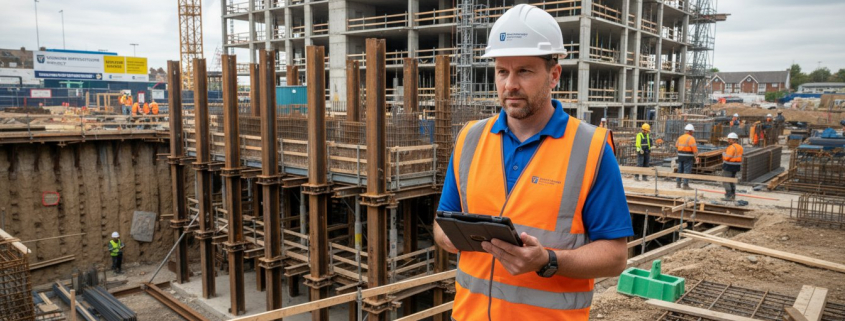

On any construction site, the responsibility for temporary works is immense, and the consequences of failure are severe. If you are tasked with this critical duty, you must be certain of your legal obligations and confident that you have the correct training for your role. Choosing between supervisor and co-ordinator level training, for instance, is a vital decision. This is precisely where the CITB Temporary Works Co-ordinator Training Course (TWCTC) provides essential clarity, delivering the industry-standard qualification needed to manage these high-risk activities with proven competence.

This complete guide will take the burden of uncertainty away. We will break down the critical role of the Temporary Works Co-ordinator, explore the key modules of the TWCTC curriculum, and outline the pathway to achieving your CITB qualification. By reading on, you will gain a clear understanding of how to manage temporary works safely and effectively, ensuring you can fulfil your compliance duties, prevent dangerous incidents, and take a significant, accredited step forward in your construction management career.

Key Takeaways

  • Understand the full scope of temporary works on a construction site, far beyond just scaffolding, and their critical impact on overall safety.
  • Identify if you are the right person for this qualification by learning why managers and supervisors are designated as the key candidates.
  • Master the essential duties of the role by exploring the core modules and learning outcomes of the two-day CITB TWCTC course.
  • Confidently choose the correct training by clearly differentiating between the responsibilities of a Temporary Works Co-ordinator (TWCTC) and a Supervisor (TWSTC).

What Are Temporary Works and Why is a Co-ordinator Essential?

On any construction project, temporary works are the engineered solutions used to support or protect an existing structure or the permanent works during their construction. When managed poorly, these structures pose a significant risk to site safety, project timelines, and budgets. The Health and Safety Executive (HSE) identifies the failure of temporary works as a major cause of accidents and fatalities in the industry. Therefore, establishing robust control and management procedures is not just best practice-it is a legal and moral necessity.

Defining Temporary Works: More Than Just Scaffolding

While scaffolding is the most recognised form, temporary works encompass a vast range of critical site elements. They are specifically designed to be removed after use and are essential for the safe and effective construction of the final project. Understanding the full scope of What Are Temporary Works is the first step towards managing them effectively. Key examples include:

  • Formwork and Falsework: Moulds and support structures for pouring concrete.
  • Propping and Shoring: Supports for unstable structures or deep excavations.
  • Excavation Support: Trench boxes and sheet piling to prevent collapse.
  • Crane and Plant Platforms: Engineered ground support for heavy machinery.
  • Site Hoardings and Haul Roads: Structures for site security and safe vehicle movement.

The Role of the Temporary Works Co-ordinator (TWC)

The Temporary Works Co-ordinator (TWC) is the individual appointed to have overall control of temporary works on a site. This role is pivotal for ensuring that all procedures are implemented correctly, from design to erection and final dismantling. The TWC is not typically the designer but acts as the central point of co-ordination, ensuring safety and compliance at every stage. Key duties include:

  • Ensuring a temporary works design is prepared, checked, and implemented on site.
  • Checking the competence of all parties involved in the temporary works.
  • Co-ordinating the activities of designers, contractors, and suppliers.
  • Maintaining a temporary works register to track all elements on site.

Understanding BS 5975: The Code of Practice for Temporary Works

BS 5975 is the approved Code of Practice that provides recommendations and guidance on the procedural control of temporary works in the UK. It outlines the duties of the TWC and establishes the industry-standard framework for managing these high-risk elements. Adherence to BS 5975 is considered the primary way for companies to demonstrate compliance with their duties under HSE regulations. Completing an accredited TWCTC (Temporary Works Co-ordinator Training Course) is the recognised pathway for individuals to gain the necessary competence to fulfil this critical role effectively.

A Deep Dive into the CITB Temporary Works Co-ordinator (TWCTC) Course

The CITB Temporary Works Co-ordinator course is an intensive two-day programme designed to provide delegates with a thorough understanding of the TWC role and its critical function in maintaining site safety. Structured to be both informative and engaging, this course is essential for anyone responsible for managing any form of temporary works on a construction site. It ensures they are fully competent to meet their legal and professional duties, protecting both the workforce and the project.

Core Aims and Learning Objectives

The primary aim is to equip attendees with the knowledge and skills to effectively co-ordinate temporary works in line with the procedural requirements of BS 5975. The focus is firmly on practical application, moving beyond theory to prepare you for the dynamic challenges of a live construction site. Upon successful completion, delegates will be able to:

  • Understand the role and all the associated responsibilities of a TWC.
  • Effectively manage and control risk associated with temporary works.
  • Implement robust communication and co-ordination processes on site.
  • Recognise and fulfil the legal and professional duties placed upon them.

Key Topics Covered in the 2-Day Course

Over the two days, our expert tutors guide you through the essential components of temporary works management. The official CITB Temporary Works Co-ordinator (TWCTC) Course curriculum is comprehensive, ensuring you understand both the procedural and practical aspects of the role. The course content is built around best practices and current legislation, providing a solid foundation for your responsibilities. Key areas of study include:

  • Statutory aspects of temporary works and relevant health and safety legislation.
  • The roles and responsibilities of the TWC, Temporary Works Designer, and other key parties.
  • The importance of the ‘4 Cs’: communication, co-ordination, co-operation, and competence.
  • Detailed guidance on risk assessments, method statements, and the checking process for temporary works designs.

Assessment and Certification: How You Pass

Your understanding and competence are assessed throughout the entire course, not just in a final test. The training is highly interactive, involving group exercises and practical case studies that challenge delegates to apply their knowledge to realistic scenarios. This collaborative approach reinforces learning and builds confidence. The course culminates in a final assessment on day two, which consists of a multiple-choice examination. Successful delegates are awarded the prestigious CITB Site Safety Plus certificate, demonstrating their certified competence as a Temporary Works Co-ordinator. This qualification is nationally recognised within the UK construction industry and remains valid for five years.

Who Needs the TWCTC Qualification? Identifying the Right Candidates

The Temporary Works Coordinator Training Course (TWCTC) is specifically designed for individuals who manage or supervise all forms of temporary works on site. Its primary audience includes site managers, project managers, supervisors, and engineers tasked with overseeing the safety and compliance of these critical structures. It is important to note that this course focuses on the coordination and management aspects of temporary works; it is distinct from courses intended for the designers of temporary works or the operatives who erect and dismantle them.

Essential for Site and Project Managers

For those with overall responsibility for site safety, this qualification is vital. It provides the essential knowledge required to confidently appoint a competent Temporary Works Coordinator (TWC) and ensure they are adequately supported. A manager holding this qualification can effectively oversee the entire temporary works process, from procedure implementation to final checks, ensuring site-wide compliance with the rigorous standards outlined in BS 5975.

A Critical Qualification for Engineers and Supervisors

This course is a critical requirement for site engineers, supervisors, and foremen who are, or will be, appointed as the official Temporary Works Coordinator. It provides the formal, accredited training necessary to perform the TWC role with competence and authority. The curriculum clarifies the specific on-site responsibilities of a TWC, including:

  • Ensuring a temporary works register is established and maintained.
  • Checking that a suitable design has been prepared, checked, and approved.
  • Confirming that a competent individual is supervising the erection and dismantling.
  • Issuing formal permits to load, unload, or dismantle the temporary works.

Career Progression and Proving Competence

Beyond immediate site requirements, the TWCTC certificate is a key credential for career advancement within the UK construction industry. Many major contractors and clients now mandate this qualification for candidates applying for management and senior supervisory positions. Holding the certificate is clear, verifiable evidence of your competence and commitment to health and safety leadership, marking you as a professional dedicated to maintaining the highest standards on site and helping your organisation stay safe and compliant.

TWCTC vs TWSTC: Choosing the Right Temporary Works Course

A common point of confusion within the construction industry is the distinction between the Temporary Works Co-ordinator (TWCTC) and the Temporary Works Supervisor (TWSTC) courses. While both roles are essential for site safety and compliance with BS 5975, they carry fundamentally different responsibilities. Selecting the correct training is not just a matter of preference; it is crucial for ensuring you have the right competencies for your designated role on site.

To clarify the difference, here is a direct comparison of the two CITB courses:

Feature Temporary Works Co-ordinator (TWCTC) Temporary Works Supervisor (TWSTC)
Primary Role Strategic management and co-ordination of the entire temporary works process. On-site supervision of the erection, use, and dismantling of temporary works.
Course Duration 2 Days 1 Day
Key Focus Planning, procedural control, risk management, and ensuring compliance with BS 5975. Practical supervision, safety checks, and ensuring design specifications are followed on the ground.

Responsibilities: The Manager vs. The Supervisor

The simplest way to understand the difference is through an analogy. The Temporary Works Co-ordinator (TWC) is like the air traffic controller; they manage the overall process, co-ordinate all parties, ensure the correct procedures are in place, and maintain a strategic overview. The Temporary Works Supervisor (TWS), in contrast, is the pilot; they are on the ground, directly overseeing the build and ensuring the co-ordinator’s plans are executed safely and correctly.

Course Focus and Depth Compared

The two-day TWCTC course is designed for managers and senior staff. It provides in-depth knowledge of the procedural and legal duties required to plan and control temporary works effectively. The focus is on the “why”-understanding risk, communication, and the co-ordination process. The one-day TWSTC course is more practical, focusing on the “how.” It equips supervisors with the knowledge to read design specifications, conduct safety checks, and manage a team safely on site.

Making the Correct Choice for Your Role

To determine which course is right for you, consider your primary duties:

  • Do you have overall responsibility for managing the temporary works process on a project? You need the TWCTC course.
  • Are you responsible for directly supervising the erection and dismantling of temporary structures on site? The TWSTC course is for you.
  • Does your role involve appointing supervisors and ensuring a temporary works register is maintained? This points to the Co-ordinator course.

Choosing the correct training is vital for ensuring competence and compliance. If you remain unsure which course aligns with your responsibilities, our team is here to provide expert guidance. Contact our expert advisors to discuss the right course for you.

Why Choose Safehouse for Your CITB TWCTC Training?

Selecting the right training provider is a critical decision. It’s not just about gaining a certificate; it’s about acquiring practical skills that protect people and ensure legal compliance on site. At Safehouse, we are committed to delivering a superior training experience that goes beyond the textbook. We combine our industry expertise with a personal approach, providing you with the knowledge and confidence to manage temporary works effectively and responsibly.

Expert Tutors with Real-World Site Experience

Our courses are delivered by seasoned construction safety professionals, not just academics. Every Safehouse tutor brings extensive, direct experience from live construction sites, allowing them to share practical insights that you won’t find in a manual. This real-world perspective ensures the training is highly relevant, engaging, and directly applicable to the challenges you face every day. You’ll learn how to implement safety principles in complex, real-life scenarios, making your qualification immediately valuable.

A Supportive and Professional Learning Environment

We believe that effective learning happens in a supportive setting. That is why we deliberately keep our class sizes small, creating an environment where delegates feel comfortable asking questions and engaging in meaningful discussions. You will be provided with high-quality course materials in our professional training facilities, designed to facilitate focus and comprehension. Our commitment is to assist every delegate, ensuring you have the resources and guidance needed to successfully complete your TWCTC course and excel in your role.

Your Trusted, Accredited Training Partner

Safehouse Health and Safety Consultants Ltd is a fully accredited CITB training provider. This official status is your assurance that our training programmes meet the stringent quality standards demanded by the construction industry. The certificate you earn with us is nationally recognised and respected, demonstrating your competence and commitment to maintaining the highest safety standards. Let us be your trusted partner in achieving and maintaining compliance.

View upcoming TWCTC course dates and book your place today.

Secure Your Competence in Temporary Works Management

As we have explored, the role of a certified Temporary Works Co-ordinator is not just a procedural requirement; it is a fundamental pillar of site safety and project success. Understanding your responsibilities and gaining the formal qualification is essential for anyone tasked with overseeing the complex process of temporary works, from design and erection to final dismantling.

Choosing the right training partner is critical. At Safehouse, we are a fully accredited CITB training organisation dedicated to taking the burden of compliance from your shoulders. Our tutors are experienced construction safety professionals, ensuring you receive practical, expert-led instruction. We pride ourselves on being a local company with a nationwide reach, offering a personal approach to help you stay safe and compliant.

Investing in your professional development with the official TWCTC qualification is a definitive step in safeguarding your projects and your team. Take control of your site’s safety and ensure compliance. View our course calendar and book your TWCTC training today.

Frequently Asked Questions About the TWCTC Course

How long is the CITB TWCTC certificate valid for?

The accredited CITB Temporary Works Co-ordinator Training Course (TWCTC) certificate is valid for five years from the date of completion. To remain compliant and ensure your knowledge of temporary works procedures is current, you must complete a refresher course before this certificate expires. This is an industry-standard requirement designed to maintain high safety standards on all UK construction sites. We can assist you in tracking your expiry date and booking your refresher training in advance.

What are the entry requirements for the TWCTC course?

There are no formal academic entry requirements for the TWCTC course. However, delegates must have prior experience in a temporary works environment and possess a strong command of spoken and written English to fully understand the course content and the examination. The course is designed for individuals who are, or are about to be, responsible for managing temporary works, so a foundational knowledge of on-site procedures and risk management is essential for success.

Is there a refresher course for the TWCTC qualification?

Yes, a dedicated one-day refresher course is available and is mandatory for renewing your qualification. The Temporary Works Co-ordinator Refresher (TWCTC-R) course updates your knowledge on the latest industry best practices, legislative changes, and key standards such as BS 5975. To maintain your accredited status, you must successfully complete this refresher course before your original five-year certificate expires. We strongly advise booking in advance to secure your place and avoid any lapse in certification.

What happens if I fail the end-of-course examination?

Should you be unsuccessful in the multiple-choice examination, you will be given an opportunity to retake it. Our instructors provide comprehensive training to fully prepare all delegates, but we offer a supportive environment for those who need a second attempt. Depending on the circumstances, a resit may be offered on the same day or can be scheduled for a future date, ensuring you have the best possible chance to achieve the required standard and gain your qualification.

Can the Temporary Works Co-ordinator course be completed online?

Yes, the CITB has approved the delivery of the Temporary Works Co-ordinator course via remote online learning. This format provides excellent flexibility while upholding the same high standards as our traditional face-to-face training. The course is delivered live by one of our expert instructors, enabling full interaction, group discussions, and direct support. This ensures you receive the same accredited, high-quality training experience from the convenience of your office or home, helping your business stay compliant efficiently.

What is the difference between a TWC and a Temporary Works Designer?

These roles are distinct yet complementary. A Temporary Works Co-ordinator (TWC) is responsible for the overall management, coordination, and control of the entire temporary works process on-site. In contrast, the Temporary Works Designer (TWD) is the competent individual responsible for the specific engineering design of a temporary works structure, ensuring it is safe, stable, and fit for purpose. The TWC ensures the procedures outlined in BS 5975 are followed, which includes coordinating the work of one or more TWDs.

Navigating the path to working on a UK construction site can be a confusing process, filled with industry acronyms like CITB, CSCS, and HSA. If you are aiming to secure your CSCS Green Card but feel unsure about the first steps, you are not alone. The essential starting point is the one-day CITB health and safety awareness course, the foundational qualification designed to ensure every worker understands their responsibilities and can operate safely. It is the key that unlocks your access to site work and a compliant career.

In this complete guide, we take the burden of that confusion away. We will demystify the entire process, explaining exactly what the course covers, its critical role in your CSCS card application, and what to expect from the final assessment-removing any anxiety you may have. We will also provide clear, practical advice on how to select a reputable, accredited training provider that fits your needs, giving you both the confidence and the certificate required to begin your career in construction safely and with total peace of mind.

Key Takeaways

  • Learn why the CITB Health and Safety Awareness course is the essential first step for anyone needing a CSCS Labourer card to work on a UK construction site.
  • Understand the full one-day course structure, from the key safety topics covered to what is required to pass the final assessment and gain your certificate.
  • Compare the benefits of online and in-person classroom training to determine the most effective learning method for your personal needs and schedule.
  • Discover the key criteria for selecting an accredited provider for your health and safety awareness course to ensure you receive expert-led, high-quality training.

What is the Health and Safety Awareness Course (and Why Do You Need It?)

The health and safety awareness course is the foundational entry point for working in the UK construction industry. Officially known as the CITB Site Safety Plus Health and Safety Awareness (HSA), this one-day course is designed to provide you with an essential understanding of the potential hazards you will face on a construction site. Its primary purpose is to ensure that everyone, from new entrants to experienced labourers, has a consistent and basic level of knowledge to help them stay safe and compliant.

This training is not just a recommendation; it is a critical first step in your construction career, equipping you with the awareness needed to protect yourself and your colleagues from harm.

The Foundation of On-Site Safety Culture

A strong safety culture is built on shared knowledge and responsibility. This course is designed to prevent the most common on-site accidents by teaching you how to recognise hazards and report them effectively. It covers your legal duties as an employee under UK legislation, such as the Health and Safety at Work etc. Act 1974, and explains your employer’s responsibilities. By understanding these core Construction site safety principles, you contribute to a proactive mindset where safety is everyone’s priority, reducing injuries and creating a more productive work environment.

The Critical Link: Your Path to a CSCS Green Card

For most individuals, the most immediate reason to take this course is its role in obtaining a CSCS Labourer (Green) Card. A CSCS card is the leading skills certification scheme in the UK construction industry, and holding the correct card is a requirement for access to the vast majority of UK construction sites. To successfully apply for the CSCS Green Card, you must complete two mandatory steps:

  • Pass this one-day CITB Health and Safety Awareness (HSA) course.
  • Pass the separate CITB Health, Safety & Environment (HS&E) test for Operatives.

Completing the health and safety awareness course is the first, indispensable part of this process, proving you have received formal training in on-site safety.

Who Should Take This Course?

This course is specifically tailored for individuals who are new to the construction and civil engineering industries or who need to formalise their understanding of on-site safety. It is essential for:

  • New entrants and school leavers starting their career in construction.
  • General labourers and site operatives who require a CSCS Green Card.
  • Apprentices in any construction trade.
  • Anyone returning to the industry after a significant break who needs a refresher on current safety standards.

A Deep Dive into the CITB HSA Course Curriculum

The one-day CITB Health and Safety Awareness (HSA) course is meticulously structured to be a highly practical and engaging experience. It moves beyond abstract theory to equip you with the essential, real-world skills needed to identify hazards and contribute to a safer working environment on a live construction site. The curriculum is delivered through interactive classroom training, focusing on common scenarios to ensure the knowledge you gain is immediately applicable from your very first day.

Understanding Your Legal and Moral Responsibilities

This foundational module clarifies your duties under UK law, primarily focusing on the Health and Safety at Work Act 1974. It provides a clear distinction between the responsibilities of employers and the crucial role each worker plays in maintaining their own safety and that of their colleagues. You will learn how to interpret and adhere to critical site documents like risk assessments and method statements (RAMS), ensuring every task is performed in a compliant and controlled manner.

Key Topics Covered: From PPE to Accident Reporting

The comprehensive health and safety awareness course provides a robust overview of the most common risks encountered on-site. The training covers a wide range of critical subjects, ensuring you are prepared for multiple situations. Key topics include:

  • Correct manual handling techniques to prevent musculoskeletal injuries.
  • The core principles and hierarchies of control for working safely at height.
  • Fire prevention measures and the correct emergency procedures to follow.
  • The selection, use, and maintenance of Personal Protective Equipment (PPE).
  • An introduction to occupational health hazards, including noise, dust, and vibration.
  • The vital procedures for reporting accidents, incidents, and unsafe conditions.

Practical Skills for Everyday Site Work

A primary objective of the course is to empower you to become a proactive force for safety on site. You will learn practical techniques for spotting potential hazards before they cause harm and gain the confidence to report them effectively through the correct channels. The training also explains how you can actively contribute to safety briefings and toolbox talks. This foundational knowledge is essential, as it aligns with the principles you will need for your CSCS card application, and you can find official CITB HS&E test information to support this process. Ultimately, the course instils the most important safety skill: knowing when to stop and ask for advice if you are ever unsure.

Your Journey to Certification: From Booking to Passing

Embarking on a health and safety awareness course can feel like a significant step, especially for those new to the construction industry. We are committed to making this process clear, straightforward, and supportive. This section demystifies the entire journey, from the moment you book your place to the day you receive your accredited CITB certificate, ensuring you know exactly what to expect.

The Course Format: What to Expect on the Day

The CITB Health and Safety Awareness course is structured as an intensive one-day programme delivered in a professional classroom setting. Your day will be led by an experienced, accredited trainer who uses a blend of teaching methods to ensure the material is both engaging and memorable. Expect a mix of formal presentations, interactive group discussions, and practical case studies based on real-world site scenarios. This dynamic format covers essential construction safety topics and encourages active participation. Asking questions is highly encouraged, as it helps solidify your understanding and prepares you for the final assessment.

The Assessment: How the Exam is Structured

To achieve certification, you must successfully pass a final assessment at the end of the day. This is not designed to catch you out; rather, it confirms your understanding of the core principles covered. The exam consists of 25 multiple-choice questions, and you will need to achieve a pass mark of 88% (22 out of 25 correct answers) to be successful. Our trainers ensure that all exam content is covered thoroughly throughout the day, providing you with the knowledge and confidence needed to pass.

Receiving and Using Your CITB Certificate

Upon successful completion of the course, you will be awarded an official CITB Site Safety Plus certificate, which is valid for five years. This certificate is more than just a piece of paper; it is the critical piece of evidence required to apply for a CSCS Labourer (Green) Card, your passport to working on most UK construction sites. Once you receive your certificate, your next steps are clear:

  • Ensure you have also passed the separate CITB Health, Safety and Environment (HS&E) test within the last two years.
  • Use both your course certificate and your HS&E test pass to apply for your CSCS Green Card.
  • Renew your qualification before the five-year expiry date to remain compliant and keep your card valid.

Ready to take the first step towards becoming a certified and compliant site worker? Let us assist you in securing your place and starting your journey to a safer career.

View our upcoming course dates.

Choosing Your Training: Online vs. In-Person Classroom Courses

Selecting the right format for your health and safety awareness course is a critical decision that depends on your learning style, operational schedule, and specific business requirements. Both online and in-person classroom training offer distinct advantages. The key is to make an informed choice that ensures you gain the essential knowledge to maintain a safe and compliant workplace.

The Case for Online Learning: Flexibility and Convenience

Online training provides unparalleled flexibility, allowing delegates to learn at their own pace and from any location. This format is often more cost-effective and is an excellent solution for self-motivated individuals or businesses needing to train staff with minimal disruption to work schedules. However, the lack of direct, real-time interaction with an instructor can be a drawback, and learners must be disciplined to avoid distractions in their home or office environment.

The Value of Classroom Training: Expert Interaction and Engagement

In-person classroom training offers the invaluable benefit of direct access to an experienced, accredited instructor. This setting facilitates immediate clarification on complex topics and allows you to ask site-specific questions. Furthermore, the group environment encourages discussion, enabling you to learn not just from the trainer but also from the practical experiences and challenges faced by other delegates in the industry. This collaborative learning can lead to a deeper, more practical understanding of health and safety principles.

How to Spot an Accredited and Reputable Provider

Regardless of the format you choose, the single most important factor is the provider’s accreditation. A certificate is only valuable if it is issued by a legitimate, recognised body. To ensure you are investing in quality training that meets industry standards, follow these essential steps:

  • Verify Accreditation: Always check that the provider is listed on the official CITB training directory. This is the definitive confirmation of their status.
  • Demand Transparency: A reputable provider will offer clear course information, detailed outlines, and transparent pricing with no hidden fees.
  • Check Genuine Reviews: Look for testimonials and reviews from past delegates on independent platforms to gauge the quality of the training and instructor expertise.

Ultimately, the best training method is the one that fits your needs while guaranteeing full compliance. At Safehouse, we offer a personal approach to help you select the right path. To discuss your requirements or view our CITB-accredited courses, please get in touch with our expert team.

Why Choose Safehouse for Your Health and Safety Awareness Training?

Choosing the right training provider is a critical decision for your career and safety. At Safehouse, we deliver more than just a standard course; we provide a foundation of expertise and confidence. Our professional, authoritative, and supportive approach ensures every delegate leaves not just with a certificate, but with the practical knowledge to maintain a safer working environment for themselves and their colleagues.

Expert-Led Training from Industry Professionals

Our instructors are not just teachers; they are active health and safety consultants with years of real-world site experience. This means your training is enriched with practical insights that go beyond the textbook. When you choose our health and safety awareness course, you benefit from:

  • Real-Life Scenarios: Learn from actual case studies and on-site examples that bring safety principles to life.
  • Actionable Advice: Gain practical tips you can apply immediately in your role, straight from those who have managed site safety firsthand.
  • Deep Understanding: We focus on ensuring you comprehend the ‘why’ behind the rules, not just memorising them for a test.

A Personal, Supportive Learning Environment

We believe effective learning happens in an environment where questions are encouraged and every delegate feels supported. Our class sizes are managed to foster interaction, ensuring you can get the clarification you need to feel fully confident. From our local Barnsley base, we combine our deep industry knowledge with a personal approach. Our primary goal is your success-helping you not only pass the exam but also develop the confidence to apply safety principles throughout your career.

More Than Just a Certificate

Completing a course with Safehouse is an investment in your long-term safety and professional development. We provide the essential building blocks for a long and successful career in the construction industry. You will join the hundreds of professionals who have started their journey with us, equipped with the skills to identify hazards and contribute to a positive safety culture on every project.

Let us be your safety experts and help you stay safe and compliant. Book your course today.

Your Path to On-Site Safety and CITB Certification

The journey to CITB certification and a CSCS Green Card is clear. This guide has shown that the Health and Safety Awareness course is not just a mandatory step, but a vital foundation for your career in the UK construction industry. By understanding the curriculum and the certification process, you are empowered to work safely and confidently on any site.

Choosing the right partner is critical to your success. At Safehouse, we are committed to helping you stay safe and compliant. As a fully CITB Accredited Training Provider, we combine the expertise of instructors with decades of on-site experience with the personal approach of a trusted Yorkshire company. We have built a nationwide reputation for quality by taking the burden of training and compliance from our clients.

It’s time to invest in your professional safety. Our expert-led health and safety awareness course is your direct route to certification. Book your accredited Health and Safety Awareness course with our experts. Take this crucial step today to secure your place on-site and build a safer future.

Frequently Asked Questions About the Health & Safety Awareness Course

How long is the CITB Health and Safety Awareness certificate valid for?

The CITB Health and Safety Awareness (HSA) certificate is valid for five years from the date of completion. To remain compliant and renew your CSCS Green Card, you must retake the course before your certificate expires. This ensures your knowledge of site safety remains current with industry standards and regulations. Regular renewal is a key component of maintaining a safe working environment on construction sites across the UK.

What’s the difference between the HSA course and the IOSH Working Safely course?

The primary difference lies in their intended application. The CITB Health and Safety Awareness course is specifically designed for the construction industry and is a mandatory requirement for the CSCS Green Labourer Card. In contrast, the IOSH Working Safely course is a general health and safety qualification applicable to employees in any industry, from office work to manufacturing. It provides a foundational understanding of workplace safety principles for a broader audience.

Do I need to do any preparation before attending the course?

No formal preparation or prior health and safety knowledge is required to attend this course. It is designed as an entry-level qualification for those new to the construction industry. However, a good understanding of spoken and written English is essential, as the course and the final multiple-choice examination are conducted in English. Our instructors are here to support you throughout the day to ensure you understand the key concepts presented.

What happens if I fail the Health and Safety Awareness exam?

Should you not pass the multiple-choice exam on your first attempt, a re-sit is usually offered on the same day at no additional cost. Our experienced instructors will provide further guidance to assist you in understanding any areas of difficulty. We are committed to supporting all delegates in achieving the required standard. Our goal is to ensure you leave the course feeling confident and competent in your health and safety knowledge.

How much does the Health and Safety Awareness course cost?

The cost of the one-day Health and Safety Awareness course typically ranges from £120 to £150 + VAT per person. Prices can vary depending on the training provider, location, and whether the course is delivered in a classroom or online. This fee includes the training, course materials, the examination, and the CITB certificate upon successful completion. We recommend contacting us directly for our current pricing and to discuss potential group booking discounts.

Can I get my CSCS Green Card immediately after passing the course?

Passing the course is the first essential step, but you cannot apply for the card immediately with just this certificate. To be eligible for the CSCS Green Labourer Card, you must also pass the separate CITB Health, Safety and Environment (HS&E) test for Operatives. This test must be completed within two years of your card application. Once you have successfully passed both the course and the HS&E test, you can proceed with your application.

Is this course available online or only in a classroom?

We offer the CITB Health and Safety Awareness course in multiple formats to suit your needs. You can attend a traditional classroom-based course at one of our training centres for face-to-face interaction with our expert instructors. Alternatively, we provide a live, instructor-led online course via video conferencing, offering the flexibility to complete your training from your home or office while still receiving expert guidance and support from our team.

Are you confident your team’s Respiratory Protective Equipment (RPE) offers genuine protection against workplace hazards? For many UK businesses, navigating the legal requirements of COSHH and specific HSE guidance like INDG 479 can be a significant burden. The responsibility to ensure every mask provides an adequate seal is critical, yet confusion around the process is common. This is where professional face fit testing becomes an essential, non-negotiable component of your health and safety strategy, providing the only reliable way to confirm your RPE is effective and your legal duties are met.

This comprehensive guide is designed to remove that uncertainty and provide clear, actionable information. We will walk you through the entire process, explaining the key differences between qualitative and quantitative testing and what to do if an employee fails. Our goal is to take the burden of compliance off your shoulders by equipping you with the expert knowledge needed to implement a straightforward testing programme. By the end, you will understand exactly how to ensure your team is fully protected, achieve complete compliance, and secure the peace of mind that comes from knowing you are doing everything right.

What is Face Fit Testing and Why Is It a Legal Requirement?

Face fit testing is a critical process used to verify that a tight-fitting respirator mask forms a complete seal with the wearer’s face. Its primary goal is to prevent inward leakage of contaminated air, ensuring the Respiratory Protective Equipment (RPE) provides the expected level of protection. A Respirator fit test confirms that the specific make, model, and size of mask is suitable for the individual. Without this seal, workers can be unknowingly exposed to hazardous substances like dust, chemical vapours, and asbestos fibres, leading to serious, long-term occupational lung diseases.

Failing to ensure a correct fit renders the RPE ineffective, providing a false sense of security while leaving the wearer vulnerable. This is why the procedure is not just a recommendation but a mandatory requirement for workplace safety compliance.

The Legal Framework: Understanding Your Responsibilities

In the United Kingdom, the requirement for face fit testing is a legal obligation. This duty is underpinned by regulations such as the Control of Substances Hazardous to Health (COSHH) Regulations 2002 and the Control of Asbestos Regulations 2012. The Health and Safety Executive (HSE) provides specific guidance in its document INDG 479, which states that RPE must be both adequate and suitable. ‘Suitable’ explicitly includes being correctly matched and fitted to the individual wearer. As an employer, you have a legal responsibility to ensure any tight-fitting RPE provided to your employees is proven to be effective through a documented fit test.

Which Types of Masks Require Face Fit Testing?

It is essential to understand which types of RPE fall under these legal requirements. The test is mandatory for all tight-fitting facepieces where a complete seal is necessary for protection.

  • Masks that DO require testing include:
    • Disposable Filtering Facepieces: Commonly known as FFP1, FFP2, or FFP3 masks.
    • Reusable Half Masks: These cover the nose and mouth and use replaceable filters or cartridges.
    • Full-Face Masks: These provide protection for the eyes as well as the respiratory system.
  • Equipment that does NOT require testing includes:
    • Loose-fitting RPE such as powered air-purifying respirators (PAPRs) with hoods, helmets, or visors, as they do not depend on a tight seal to function.

Qualitative vs. Quantitative: Choosing the Right Test Method

When conducting RPE face fit testing, the Health and Safety Executive (HSE) recognises two approved methods: Qualitative and Quantitative. The choice between them is not a matter of preference; it is determined by the type of respiratory protective equipment (RPE) you are testing. Think of it as the difference between a simple pass/fail taste test and using a highly sensitive instrument to get a precise measurement. Each method is suited to different masks and provides a different level of assurance.

Understanding which test is required for your team’s RPE is a critical step in remaining compliant and ensuring maximum protection. Our expert technicians are trained to perform both methods, providing the correct, accredited test for your specific safety needs.

The Qualitative Fit Test (QLFT)

A Qualitative Fit Test is a subjective assessment based on the wearer’s sense of taste. During the test, the wearer puts on their mask and a hood is placed over their head. A strong-tasting solution, either bitter (Bitrex) or sweet (Saccharin), is then sprayed into the hood. If the wearer can taste the solution, it indicates a leak in the mask’s seal, resulting in a fail. The wearer performs seven specific exercises to simulate workplace movements, a protocol detailed in standards like OSHA’s mandatory fit testing procedures, ensuring the test is thorough and consistent.

  • Suitable For: Disposable filtering facepieces (FFP1, FFP2, FFP3) and reusable half masks.

The Quantitative Fit Test (QNFT)

A Quantitative Fit Test provides an objective, numerical measurement of the mask’s seal. This method uses a particle counting machine, such as a Portacount, which measures the number of airborne particles both inside and outside the mask. The machine then calculates a “Fit Factor”-a precise ratio that quantifies the level of protection. This removes any subjectivity and provides verifiable data on the mask’s performance. This method is essential for RPE used in high-hazard environments where an inadequate seal could have severe consequences.

  • Suitable For: Reusable half masks and all full-face masks.
  • Required For: All full-face masks require a quantitative test to verify their high protection levels.

The Face Fit Testing Process: A Step-by-Step Guide

Understanding the face fit testing process is key to ensuring a smooth and effective outcome for your team. With a competent provider, the procedure is straightforward, methodical, and designed to give you complete confidence in your Respiratory Protective Equipment (RPE). Each individual test typically takes around 20-30 minutes to complete, from the initial briefing to the final result, ensuring minimal disruption to your workday while maximising safety compliance.

Before the Test: Booking and Preparation

Preparation is simple but crucial for a valid test. Sessions can be booked for individuals or groups, either at a dedicated facility or on-site at your premises for maximum convenience. For qualitative tests, we begin with a brief sensitivity check to ensure the testing agent can be detected by the wearer. Most importantly, the individual must be clean-shaven in the area where the mask seals against the face. Any facial hair, including stubble, will compromise the seal and result in an automatic fail. This is a non-negotiable safety requirement.

During the Test: The 7 Standard Exercises

The core of the test involves the wearer performing a series of seven exercises while wearing their RPE. These movements are mandated by the Health and Safety Executive (HSE) to simulate typical workplace activities and challenge the mask’s seal. The tester will guide the wearer through each one:

  • Normal breathing.
  • Deep breathing.
  • Turning the head from side to side.
  • Moving the head up and down.
  • Talking aloud (e.g., reading a passage of text).
  • Bending over or touching toes.
  • Normal breathing again.

Throughout these exercises, the tester meticulously checks for any inward leakage, ensuring the mask maintains a protective seal against the face at all times.

After the Test: Pass, Fail, and Certification

Upon successful completion, the wearer receives a pass certificate. This formal document confirms that the specific make, model, and size of the mask provides an effective seal for that individual. The certificate includes the wearer’s name, the mask details, the test date, and the competent tester’s information. In the event of a fail, the process does not simply end. It indicates that the chosen mask is unsuitable for the individual’s facial shape. Our expert tester will then assist in selecting a different size or model of RPE to re-test until a suitable, safe fit is achieved. Have questions about the process? Contact our expert team for guidance.

How to Prepare for a Test: A Checklist for Employers and Employees

A successful face fit test is a result of careful preparation from both employers and employees. Proper planning not only ensures the accuracy and validity of the test but also minimises disruption and prevents the need for costly re-testing. By following a structured approach, you can guarantee that every test session is efficient, effective, and fully compliant with Health and Safety Executive (HSE) requirements.

This shared responsibility is crucial for a seamless process. Below, we have outlined key preparation steps for both parties to ensure the highest chance of a first-time pass.

Employer Checklist

As an employer, your role is to create the right environment for a successful test. Taking these steps beforehand will help our technicians conduct the face fit testing smoothly and without delay.

  • Provide a Suitable Test Area: Designate a clean, well-lit room with adequate ventilation. It must have enough space for the testing equipment and for the employee to move freely during the exercises.
  • Ensure Mask Availability: Have a range of RPE models and sizes available on the day. This allows the tester to find the most suitable mask for each individual if their primary one is not a good fit.
  • Inform Your Team: Communicate the test requirements to all participating employees at least 24 hours in advance. Ensure they understand what is expected of them, particularly regarding the clean-shaven policy.
  • Schedule Effectively: Plan the testing schedule to avoid interrupting critical operations. Staggering appointments can help maintain productivity throughout the day.

Employee Checklist

For the test to be accurate, your personal preparation is essential. Please follow these critical instructions prior to your appointment to avoid a failed result.

  • Be Clean-Shaven: This is the most important requirement. You must be clean-shaven in the area where the mask seals against the skin. Any stubble, even from the previous day, can compromise the seal and cause an automatic failure.
  • Avoid Contaminants: Do not smoke, vape, eat, or drink anything other than plain water for at least 30 minutes before your scheduled test time. The residue can interfere with the testing equipment.
  • Bring Your Assigned RPE: If you have been issued a specific make and model of mask for your daily tasks, please bring it with you to the test.
  • Remove Obstructions: Any facial piercings, such as nose or lip studs, that sit under the mask’s seal must be removed before the test begins.

By working together, we can ensure the process is straightforward and confirms that your team’s respiratory protection is effective. This commitment to preparation is a fundamental part of maintaining a safe and compliant workplace. For further guidance, our experts are always available to assist.

Why Choose Safehouse for Your Face Fit Testing Needs?

Understanding the critical importance of respiratory protective equipment (RPE) is the first step. The next, and most crucial, is choosing a competent partner to ensure that equipment provides effective protection. At Safehouse Health and Safety Consultants Ltd, we move beyond simple compliance checks, offering a comprehensive and personal service designed to take the burden of safety management from your shoulders and give you complete peace of mind.

We combine deep industry expertise, particularly within the construction sector, with a commitment to making your safety processes as straightforward and effective as possible.

Fit2Fit Accredited and Experienced Testers

Your legal compliance and your team’s safety depend on the competency of the tester. That’s why all our technicians are Fit2Fit accredited. This is the Health and Safety Executive’s (HSE) officially recognised competency scheme for face fit testing, providing you with an undeniable assurance that the service you receive is of the highest professional standard. Our years of practical experience across construction and other high-risk industries mean we understand your environment and its specific challenges.

Flexible On-Site Testing Across the UK

We know that downtime costs money. To minimise disruption to your operations, we bring our expert testing service directly to your site, anywhere in the UK. This convenient approach allows you to get your entire team tested efficiently, whether it’s a small group or a large workforce, getting them back to work quickly and safely. As a local company with a nationwide reach, we provide the reliable, personal service you expect, with the capacity to meet your needs wherever your project is located.

A Complete Safety Solution

Effective RPE management is more than just a one-off test. Safehouse acts as your complete safety partner, integrating testing into a wider framework of support. We are a one-stop-shop for your health and safety needs, offering:

  • RPE Supply: As an official Portwest distributor, we can supply the exact models of masks your employees have been successfully tested on, removing any uncertainty in your procurement process.
  • Expert Consultancy: We assist in developing and implementing robust RPE programmes and provide wider health and safety consultancy to ensure you are fully compliant.
  • Comprehensive Training: From CITB and IOSH courses to bespoke safety training, we can upskill your entire team.

Let us handle the complexities of compliance so you can focus on your business. Get a quote for on-site face fit testing for your team today.

Protect Your Workforce and Ensure Compliance with Expert Face Fit Testing

As we have detailed, effective Respiratory Protective Equipment (RPE) is a critical component of workplace safety, not an optional extra. Understanding that face fit testing is a legal necessity is the first step, but ensuring a verified seal through the correct testing method is what truly protects your team from respiratory hazards. A successful test depends on choosing the right provider and preparing your employees properly, safeguarding both their health and your business’s compliance.

At Safehouse, we take the burden of compliance from your shoulders. Our Fit2Fit Accredited Testers provide a professional, personal service tailored to your needs, with deep expertise in construction industry regulations. We bring our support directly to your business with convenient on-site testing available across Yorkshire and the UK, making it simple to stay safe and compliant.

Book your accredited face fit testing service and ensure your team’s safety.

Invest in your team’s well-being and your company’s peace of mind today.

Frequently Asked Questions

How often do I need to get a face fit test?

While UK HSE guidance does not set a mandatory expiry date, it is considered best practice to conduct a re-test at least every two years. A re-test is legally required immediately if an employee experiences significant weight change, undergoes major dental work, or if the make, model, or size of their Respiratory Protective Equipment (RPE) changes. This ensures the seal remains effective and you stay compliant with safety regulations.

Why is being clean-shaven so important for a face fit test?

The effectiveness of any tight-fitting mask depends entirely on achieving a complete seal against the skin. Facial hair, including stubble, creates gaps in this seal, allowing hazardous airborne particles to bypass the filter and be inhaled. Being clean-shaven where the mask makes contact is therefore a non-negotiable requirement for both the test and for daily use in the workplace. Without it, the RPE cannot provide its intended protection.

What happens if an employee fails their face fit test?

A failed test simply means the specific mask being tested does not provide an adequate seal for that individual. The employee must not use that respirator. The immediate next step is to try a different size, make, or model of mask and repeat the test process. Our accredited testers are trained to assist in finding a suitable alternative mask that provides the necessary protection, ensuring your workforce remains safe and your company stays compliant.

Can I be tested wearing my own specific make and model of mask?

Yes, you must be. It is a legal requirement that the test is performed on the exact make, model, and size of RPE that you will be using for work. A face fit test certificate is only valid for the specific respirator worn during the test. This ensures that the protection verified during the test is accurately replicated in the workplace environment, which is a critical component of your respiratory safety programme.

How long does a face fit test appointment typically take per person?

A standard face fit test appointment takes approximately 20 to 30 minutes per individual. This allows sufficient time for a pre-test briefing, instruction on how to correctly put on and check the mask, and the test itself. The test involves a series of seven exercises designed to simulate typical workplace movements, such as turning the head and talking, to ensure the mask’s seal is maintained during activity.

Is a face fit test certificate transferable between employers?

The responsibility for ensuring RPE is adequate and correctly fitted lies with the current employer. While the certificate is a record for the individual, a new employer must verify that the previous test is still valid for the mask they provide and the specific hazards present. To ensure full compliance and remove any doubt, the recommended best practice is for the new employer to arrange for a fresh face fit testing session.

Are face fit tests required for paper dust masks (FFP1/2/3)?

Yes. Any tight-fitting respirator requires a test, and this includes all disposable masks, often called ‘dust masks’ (rated FFP1, FFP2, or FFP3). These are classified as RPE and are subject to the same legal requirements as reusable half-masks. If your risk assessment identifies the need for a disposable FFP mask to protect against dust, mists, or fumes, then a face fit test is mandatory to ensure its effectiveness.

In a critical moment, faced with an unconscious but breathing casualty, the fear of causing more harm can be paralysing. Do you move them? Do you leave them as they are? This uncertainty is a significant barrier to providing potentially life-saving aid. There is, however, a correct and safe procedure designed for this exact situation. Learning the simple steps of the recovery position is one of the most vital first aid skills you can possess, ensuring a casualty’s airway remains open and protected while you wait for emergency services to arrive.

This guide is designed to remove that uncertainty and take the burden of guesswork away. We will provide a clear, memorable, step-by-step process for correctly placing someone in the recovery position. You will learn the crucial signs to look for, understand when this procedure is appropriate-and just as importantly, when it is not. Our goal is to equip you with the expert knowledge and confidence to act decisively and safely, providing effective care until professional help takes over.

What Is the Recovery Position and Why Is It a Lifesaver?

In a medical emergency, simple actions can have a profound impact. The recovery position is a fundamental first aid technique designed to keep an unconscious person safe while they are breathing. Its primary, life-saving goal is to maintain an open and clear airway, ensuring oxygen can continue to reach the lungs until professional help arrives. This procedure is not for a casualty who is awake or one who has stopped breathing; it is specifically for an individual who is unresponsive but has normal, regular breathing.

Understanding when and how to use this technique is a critical skill that can prevent a manageable situation from becoming fatal. It addresses the immediate dangers an unconscious person faces from simple gravity and relaxed muscles.

The Science Behind It: Keeping the Airway Open

When a person loses consciousness and lies on their back, their muscles relax. This includes the tongue, which can fall to the back of the throat and act like a plug, completely blocking the airway. By rolling the person onto their side into the recovery position, gravity works in their favour, pulling the tongue forward and away from the throat. Furthermore, the specific head tilt this position creates allows any fluid, such as saliva or vomit, to drain safely from the mouth, preventing the casualty from choking or inhaling it into their lungs.

When to Use the Recovery Position: The Critical Checklist

This is a crucial holding position, not a long-term solution. It is designed to maintain safety while you await the arrival of emergency services. Before placing someone in this position, you must confirm the following conditions are met:

  • The casualty is unresponsive: They do not react when you call their name or gently shake their shoulders.
  • They are breathing normally: You must check for breathing. Look for chest movement, listen for breath sounds, and feel for air on your cheek for up to 10 seconds.
  • The airway is clear: You have checked their mouth for any obvious obstructions.
  • There are no other immediate life-threatening injuries: Conditions like catastrophic bleeding must be managed first.

Once these points are confirmed, placing the casualty in this position provides the best chance of keeping their airway protected.

Step-by-Step Guide: How to Place an Adult in the Recovery Position

Before attempting any first aid, your priority is to ensure the area is safe for you and the casualty. Once you have established safety, check for a response by gently shaking their shoulders and asking loudly, “Can you hear me?”. If there is no response, you must open their airway by placing one hand on their forehead and gently tilting their head back, lifting the chin with two fingers. Check for normal breathing for up to 10 seconds. If they are unresponsive but breathing normally, they must be placed in the recovery position. The following procedure, detailed in official guidance such as the NHS Step-by-Step Guide, is designed to keep the airway clear and open.

Step 1-2: Positioning the Arms

Kneel on the floor beside the person. Take the arm nearest to you and place it out at a right angle to their body, with the elbow bent and the palm facing upwards. This creates a stable base for the roll. Next, bring their other arm across their chest and hold the back of their hand against their cheek on the side nearest to you. Maintain this hand position throughout the next step to support the head.

Step 3-4: Positioning the Leg and Rolling the Casualty

With your free hand, take their knee that is furthest from you and pull it up so that their foot is flat on the floor. You are now ready to roll them. Keeping their hand pressed to their cheek, pull on their bent knee and gently roll the person towards you onto their side. The lever action from the bent leg should make the movement smooth and controlled, requiring minimal effort.

Step 5: Final Adjustments and Monitoring

Once they are on their side, adjust their top leg so that both the hip and knee are bent at right angles. This position prevents them from rolling onto their face or back. Gently tilt their head back one final time to ensure the airway remains open, allowing any fluid to drain from their mouth and preventing choking. It is critical to stay with the casualty and continuously monitor their breathing until professional medical help arrives.

If it has not already been done, call 999 for an ambulance immediately. The recovery position is a crucial temporary measure to protect an unresponsive person, but it is not a substitute for expert medical assessment and care.

To aid comprehension, these steps are best demonstrated visually. We recommend using a simple infographic or a series of clear photographs to accompany this guide.

Special Considerations: Adapting for Infants, Children, and Pregnancy

While the fundamental principles of maintaining an open airway remain constant, the standard adult recovery position must be adapted for individuals with different physiological needs. The anatomical differences in infants, children, and pregnant women require specific, careful modifications to ensure their safety and well-being. A gentler approach is paramount, as smaller, more fragile bodies demand extra care. Understanding these variations is a critical component of effective first aid.

The Recovery Position for an Infant (Under 1 Year)

For an infant who is unresponsive but breathing, you do not place them on the floor. Instead, cradle them in your arms. Hold the infant face-down along your forearm, with their head supported by your hand. It is essential to ensure their head is positioned lower than their body. This specific angle uses gravity to help any fluid or vomit drain from their mouth, preventing them from choking and keeping their airway clear while you await medical assistance.

Modifying the Technique for a Child

Placing a child in the recovery position follows the same sequence as for an adult, but every movement must be performed with less force. Their smaller frame requires a gentler touch when tilting the head, rolling the body, and positioning the limbs. The steps are largely identical to the standard method, which is detailed in the British Red Cross guide to the recovery position, but you may find that you do not need to bend their top leg as sharply to make them stable. Always handle them with care to avoid causing injury.

The Recovery Position for a Pregnant Woman

When assisting a pregnant woman, it is vital to place her on her LEFT side. This specific orientation is crucial because in the later stages of pregnancy, the weight of the womb (uterus) can compress a major blood vessel called the inferior vena cava if she is on her back or right side. This compression can restrict blood flow back to her heart, affecting both her and the baby. To provide additional stability and comfort, use pillows or rolled-up blankets to support her back and under her bump.

Critical Safety Rules: When NOT to Use the Recovery Position

In a first aid emergency, hesitation can be costly. A primary fear for many first aiders is making the situation worse. Understanding when not to use a technique is just as critical as knowing the correct procedure. While an essential life-saving tool, applying the recovery position in the wrong circumstances can cause significant harm. This section provides clear, authoritative guidance on the absolute contraindications.

Suspected Spinal Injury: The Golden Rule

The most critical reason to avoid placing someone in the recovery position is a suspected spinal or neck injury. Moving a casualty with a damaged spine can lead to permanent paralysis or death. If the mechanism of injury suggests a spinal issue, do not move them unless they are in immediate danger (e.g., from fire or traffic).

Look for these signs:

  • A fall from a significant height.
  • A road traffic collision.
  • A direct, forceful blow to the head, neck, or back.
  • A diving incident in shallow water.

In this situation, your priority is to maintain an open airway without moving the head or neck. Use the jaw-thrust manoeuvre: place your fingers behind the angles of the casualty’s lower jaw and move it forward. This lifts the tongue away from the back of the throat without tilting the head.

Recovery Position vs. CPR: Making the Right Choice

The distinction between these two procedures is absolute. The recovery position is only for an unconscious casualty who is breathing normally. Its purpose is to keep the airway clear and prevent them from choking on vomit or fluids.

If you assess the casualty and find they are not breathing, or are only taking infrequent, noisy gasps (known as agonal breathing), you must begin Cardiopulmonary Resuscitation (CPR) immediately. Call 999 and start chest compressions. CPR takes priority over almost all other injuries, as restoring the flow of oxygenated blood to the brain is paramount.

Do’s and Don’ts: A Quick Checklist

In a high-stress environment, simple rules are easiest to recall. Commit these points to memory:

  • DO confirm the casualty is breathing normally before you do anything else.
  • DO call 999 for an ambulance as soon as you realise someone is unconscious.
  • DON’T leave the casualty unattended once you have placed them in position. Continue to monitor their breathing.
  • DON’T give an unconscious or semi-conscious person anything to eat or drink, as this poses a severe choking risk.

Confidence in these critical moments comes from accredited, hands-on training. To ensure your team is fully prepared to act correctly and decisively, explore our comprehensive range of first aid at work courses.

From Knowledge to Confidence: Why Formal First Aid Training Matters

Reading this guide is an excellent first step towards understanding how and when to use the recovery position. However, theoretical knowledge is only part of the equation. In a real emergency, adrenaline and pressure can make it difficult to recall steps from an article. This is where formal, hands-on training becomes invaluable, transforming your knowledge into the confidence to act decisively and correctly.

Building Muscle Memory for Emergencies

First aid is a practical skill. Our training courses provide a safe and controlled environment where you can practice techniques on resuscitation manikins. Physically performing the steps to place a casualty in the recovery position builds crucial muscle memory, making the actions second nature. A qualified instructor provides immediate, personal feedback to perfect your technique, ensuring you can perform effectively when it matters most and preparing you for the realities of a real-world incident.

Learning to Assess a Situation with Confidence

An accredited first aid course teaches more than just isolated procedures. You will learn how to conduct a full primary survey (DRSABCD: Danger, Response, Send for help, Airway, Breathing, CPR, Defibrillation) to systematically assess a casualty. This framework gives you the confidence to check for normal breathing, identify potential dangers, and make a calm, informed decision. You will understand the complete context of when the recovery position is appropriate, and when other interventions like CPR are required, equipping you to manage a wide range of emergency situations.

Get Certified and Be Prepared to Help

Beyond personal preparedness, a formal first aid qualification is a vital asset. An accredited certificate demonstrates your competence and commitment to safety, often fulfilling legal requirements for workplaces in the UK. By becoming a qualified first aider, you take on a critical role in safeguarding the well-being of your colleagues, family, and community. Take the next logical step from learning to leading. Equip yourself with the skills to provide effective support in an emergency.

View our accredited First Aid at Work courses.

Master the Recovery Position and Be Ready to Act

Understanding how to place someone in the recovery position is a critical first aid skill, essential for keeping an unconscious but breathing casualty’s airway open and clear. However, true competence lies not just in remembering the steps, but also in recognising the critical situations where it should not be used. This guide provides the foundational knowledge, but practical application is the key to acting decisively and correctly in an emergency.

This is where professional training makes the difference. As a fully accredited IOSH and CITB training provider, Safehouse Health and Safety Consultants Ltd is committed to helping businesses across Yorkshire stay safe and compliant. Our expert instructors use their real-world industry experience to turn theoretical knowledge into practical, life-saving confidence. Reading an article is the first step; mastering the skill is the next.

Become a confident first aider. Enrol in our accredited First Aid training courses. Take the definitive step from simply knowing to being fully prepared to protect those around you.

Frequently Asked Questions About the Recovery Position

How long can a person safely stay in the recovery position?

There is no strict time limit, as the primary goal is to maintain an open airway until professional medical help arrives. However, you must monitor the person’s breathing continuously. UK first aid guidelines recommend that if emergency services are delayed for more than 30 minutes, you should gently roll the casualty onto their other side. This helps to prevent pressure sores, provided you do not suspect a spinal injury. Your constant observation is the most critical factor.

What should I do if the person stops breathing while in the recovery position?

If you notice the person’s breathing has stopped or become abnormal, such as infrequent, noisy gasps, you must act immediately. Roll them carefully onto their back on a firm surface. Re-check their breathing. If they are not breathing normally, ensure 999 has been called, and commence CPR straight away. The priority must shift from airway maintenance to performing chest compressions and rescue breaths to circulate oxygenated blood around the body.

Is it better to roll someone onto their left or right side?

For most adults and children, either side is safe and effective. The objective is to keep the airway clear and allow fluid to drain from the mouth. However, for a woman in the later stages of pregnancy, it is recommended to place her on her left side. This prevents the weight of the baby from compressing a major vein, which could restrict blood flow to the heart. In all other standard first aid situations, the choice of side is not critical.

What does ‘breathing normally’ actually mean in a first aid situation?

Normal breathing is quiet, regular, and seems effortless. To check, you should look, listen, and feel for no more than 10 seconds. Look for the chest rising and falling, listen for breath sounds from their mouth or nose, and feel for their breath against your cheek. You must not confuse this with agonal breathing-these are irregular, sharp gasps for air which are not effective breathing. Agonal breathing is a sign of cardiac arrest, and you should start CPR immediately.

Should I remove items like glasses or things from their pockets first?

Yes, this is an important preparatory step. Before you move the person, remove their glasses to prevent them from breaking and causing injury. You should also quickly check the pockets on the side you intend to roll them onto for any bulky or sharp items, such as keys or a phone. Removing these items ensures the person can rest as comfortably and safely as possible while you wait for assistance. Also, consider loosening any tight clothing around their neck.

Can you put yourself in the recovery position if you feel you are about to pass out?

While you could try, it is not the recommended course of action. If you feel faint, the safest procedure is to lie down flat on your back and, if possible, raise your legs. This position helps improve blood flow to your brain. Trying to manoeuvre into the recovery position while feeling dizzy or weak increases the risk of falling and causing injury. This position is specifically designed for an unresponsive casualty who is breathing normally.

Navigating the landscape of UK construction compliance can feel like deciphering a complex code. With an alphabet soup of acronyms from CITB and CSCS to SMSTS and SSSTS, it’s easy to feel unsure about which qualifications are essential for your role. This uncertainty can lead to significant concerns, from potential legal issues to being denied access to a site. The responsibility to ensure you and your team are fully qualified is a serious one, which is why understanding accredited CITB training is non-negotiable.

This comprehensive guide is designed to remove that stress and provide clarity. We will take the burden of confusion away, breaking down exactly what the CITB is, which Site Safety Plus course you need for your job, and the steps to getting certified. By the end, you will have the confidence and knowledge to ensure you and your team are fully compliant, helping you stay safe on site and secure in your career progression. Let us assist you in navigating the path to full accreditation with a trusted, local provider.

What is CITB and Why is it Essential for UK Construction?

The Construction Industry Training Board, universally known as CITB, is the official industry training board for the UK construction sector. Established to help the industry attract talent and support skills development, its primary function is to work with employers to ensure the workforce has the right skills for today and the future. As a non-departmental public body, it plays a critical role in setting the standards for training and professional conduct, a history you can explore further on the CITB Wikipedia page. For any company or individual serious about their role in construction, understanding CITB is the first step toward ensuring safety and compliance.

Engaging with official CITB training provides clear, tangible benefits for both employers and their workforce. It is designed to build a safe, professional, and qualified industry from the ground up. Key advantages include:

  • Enhanced Site Safety: CITB courses are structured to directly address the real-world hazards found on construction sites, significantly reducing accident rates and fostering a proactive safety culture.
  • Assured Legal Compliance: Completing accredited training demonstrates a commitment to meeting legal health and safety obligations, protecting your business from potential fines and legal action.
  • Recognised Professional Skills: A CITB qualification is the industry benchmark, verifying an individual’s competence and enhancing their career prospects and on-site credibility.

The CITB is deeply integrated into the industry through its Levy and Grants system. Most construction employers pay an annual levy, which CITB then redistributes as grants to fund training and apprenticeships. This self-sustaining model ensures a continuous investment in workforce skills. It is important to clarify that while CITB sets the standards and curriculum for courses like the Site Safety Plus (SSP) scheme, the training itself is delivered by a network of approved and accredited training centres, such as Safehouse Health and Safety Consultants Ltd.

The Role of CITB in UK Construction Safety

CITB’s foremost goal is to improve site safety and drive down accident rates across the UK. By creating a consistent, recognised standard of training, it ensures that every worker, supervisor, and manager shares a common understanding of health and safety principles. The organisation works directly with employers to identify critical skills gaps and develop training solutions that keep the workforce competent, aware, and prepared to manage on-site risks effectively.

CITB vs. Other Accreditations (IOSH, NEBOSH)

While all promote workplace safety, these accreditations serve different purposes. CITB qualifications are specifically designed for the construction industry, setting the essential standard for site-based roles. In contrast, IOSH courses offer broader health and safety management training applicable across many sectors, while NEBOSH provides a more in-depth, high-level qualification for those pursuing a full-time career as a health and safety professional. For on-site construction work, CITB is the foundational requirement.

The Site Safety Plus (SSP) Scheme: Core CITB Courses Explained

The CITB Site Safety Plus (SSP) scheme is a comprehensive suite of courses designed to provide the UK construction industry with the essential knowledge needed to maintain a safe working environment. Far more than just a series of one-off qualifications, the SSP provides a clear, structured training pathway that supports career progression. From new entrants to senior managers, this framework ensures that every individual has the appropriate level of health and safety understanding for their role. These courses are essential for site access and industry compliance, with many principal contractors making them a mandatory requirement for all personnel.

The progressive nature of this CITB training means that qualifications are designed to be built upon as an individual’s career develops. Each course provides the foundational knowledge for the next level, creating a consistent standard of safety competence across the industry. You can find full details on the scheme’s structure on the Official CITB Website, which outlines the learning objectives for each qualification.

For Site Managers: Site Management Safety Training Scheme (SMSTS)

Aimed at site managers, project managers, and senior supervisors, the SMSTS course is the industry standard for management-level safety training. This intensive 5-day course covers everything from key legislation and the Construction (Design and Management) Regulations 2015 (CDM) to effective risk assessment, scaffolding safety, and managing contractors. To remain certified, delegates must complete a mandatory 2-day SMSTS Refresher course every five years.

For Supervisors: Site Supervisors Safety Training Scheme (SSSTS)

The SSSTS course is designed for first-line managers, foremen, and team leaders who have supervisory responsibilities on site. Over 2 days, this course equips supervisors with the skills to effectively monitor safety, conduct toolbox talks, and understand their legal duties under UK health and safety law. It focuses on the importance of communication in ensuring a safe site. A 1-day SSSTS Refresher course is required every five years to keep the qualification valid.

For All Site Workers: Health and Safety Awareness (HSA)

This 1-day course is the essential starting point for new entrants to the industry or for operatives who need a formal qualification. The HSA course covers the basics of on-site safety, including understanding common hazards, recognising individual responsibilities, and knowing how to report safety concerns. Crucially, successful completion of this course is a key requirement for applying for the CSCS Labourer (Green) Card, which is vital for gaining access to most UK construction sites.

How to Choose the Right CITB Course for Your Role

Selecting the correct CITB course is a critical step in ensuring you have the right qualifications for your responsibilities on site. The CITB’s Site Safety Plus (SSP) scheme provides a clear, structured pathway, from new entrants to senior managers. This framework is recognised as the industry standard for health and safety, developed by the Construction Industry Training Board, a non-departmental public body supported by the Department for Education. You can find more official CITB information on GOV.UK to verify its credentials. This structure ensures that your CITB training evolves with your career.

Are You a Manager or a Supervisor?

One of the most common points of confusion is the difference between the SMSTS and SSSTS courses. The choice depends entirely on your level of responsibility:

  • Site Management Safety Training Scheme (SMSTS): This comprehensive 5-day course is for site managers, project managers, and senior supervisors. If you are responsible for planning, organising, monitoring, controlling, and administering health and safety for an entire site, this is the essential qualification for you.
  • Site Supervision Safety Training Scheme (SSSTS): This 2-day course is designed for first-line managers, foremen, and team leaders. If you supervise a specific team of operatives on the ground, this course will equip you with the legal and practical knowledge to ensure safety within your remit.

Starting Out or Need Basic Site Access?

For individuals new to the construction industry or those in labouring roles, the starting point is the 1-day CITB Health and Safety Awareness (HSA) course. Completing this course is a mandatory prerequisite for applying for the CSCS Green Labourer Card, which grants access to most UK construction sites. It provides the foundational knowledge required to identify and mitigate common workplace hazards.

Course Who It’s For Duration
Health & Safety Awareness (HSA) New site workers & CSCS Green Card applicants 1 Day
SSSTS Team leaders, foremen, first-line supervisors 2 Days
SMSTS Site managers, project managers, senior leaders 5 Days

Full Course vs. Refresher: Don’t Let Your Certificate Expire

Your SMSTS and SSSTS certificates are valid for five years. To maintain your qualification, you must complete a shorter refresher course before your certificate’s expiry date. If you let it expire, you will be required to take the full course again, which is a significant investment of both time and money. Stay compliant and protect your career progression. Check our course dates for your next refresher.

The CITB Training Process: From Booking to Certification

Embarking on your CITB training is a straightforward and structured process designed to equip you with essential site safety knowledge. The journey from identifying your training needs to receiving your official certification follows four clear steps, ensuring a consistent and high-quality learning experience that prepares you for the demands of the modern construction site.

Finding an Accredited Training Provider

Your first and most critical step is selecting the right course and an approved provider. Choosing a CITB-accredited training centre is essential; only these centres can issue a valid certificate recognised across the UK construction industry. The benefits are clear:

  • Instruction from qualified tutors using official course materials.
  • A robust quality assurance framework guaranteeing high standards.
  • Assurance that your qualification will be officially recorded and verifiable.

When selecting a provider, consider their location, available course dates, and professional reputation. As a leading accredited training provider, we are committed to delivering compliant and effective courses.

Course Delivery and Assessment

CITB courses are designed to be engaging and interactive. You can expect a blend of expert instruction, group discussions, and case study analysis to help you apply health and safety principles to real-world scenarios. At the conclusion of the training, your understanding will be evaluated through an end-of-course assessment, which is typically a multiple-choice examination. Our tutors provide full support, ensuring you are well-prepared to demonstrate your knowledge and succeed.

Your CITB Certificate

Upon successful completion, you will be issued an official CITB certificate. This document includes your name, the course title, your unique CITB number, and the date of achievement. Employers can instantly verify your qualification using the online CITB Card Checker, providing immediate proof of your competency. It is vital to remember that most CITB certificates have a 5-year validity period. We advise diarising your refresher course well in advance to remain compliant and site-ready.

Why Choose Safehouse for Your CITB Training in Yorkshire?

When investing in your team’s safety and compliance, the choice of training provider is critical. At Safehouse, we are a fully CITB-accredited training centre based in Barnsley, dedicated to delivering industry-leading courses that equip your workforce with the practical skills and knowledge they need to stay safe and compliant on site.

Our commitment to quality, relevance, and a supportive learning environment makes us the preferred partner for businesses across Yorkshire and beyond. We provide more than just a certificate; we deliver confidence.

Expert Tutors, Real-World Scenarios

Our instructors are not simply course facilitators; they are seasoned construction industry professionals with extensive, hands-on site experience. This background allows us to move beyond textbook theory, using practical examples and real-world scenarios directly relevant to modern UK construction sites. Our goal is to make your CITB training engaging, memorable, and immediately applicable to your daily responsibilities.

A Local Company with a Nationwide Reach

Based in Barnsley, we offer the personal, dedicated service of a local business. We take the time to understand your specific requirements and build lasting relationships. However, our capabilities extend far beyond the local area. We have the capacity and expertise to deliver training for national companies, creating long-term partnerships to manage all health and safety needs and ensure consistent standards across all your sites.

Seamless Booking and Support

We believe that organising essential safety training should be a straightforward process. Our expert team is here to assist you every step of the way, from identifying the right courses for your team-whether it’s the Health and Safety Awareness (HSA), SMSTS, or SSSTS-to managing bookings and certifications. We take the administrative burden away, so you can focus on your business. Let us assist you in building a safer, more compliant workforce.

View our upcoming CITB course schedule and book your place.

Furthermore, our support doesn’t end with training. As comprehensive safety consultants, we can integrate your courses with other essential services, including ongoing safety consultancy and RPE face fit testing. This holistic approach ensures your company remains fully compliant and your team is protected from every angle.

Invest in Your Career with Accredited CITB Training

Navigating the UK construction industry demands a firm commitment to safety, compliance, and professional development. As this guide has outlined, understanding the Site Safety Plus (SSP) scheme and selecting the correct course for your specific role are fundamental to your career progression. Effective CITB training is not merely about gaining a certificate; it is an essential investment in the skills that protect you, your colleagues, and your future on site.

Choosing the right training partner is critical to maximising that investment. At Safehouse, we are a fully CITB-Accredited Training Centre committed to your success. Our experienced tutors bring years of on-site construction background into the classroom, offering practical insights that go beyond the textbook. We deliver our courses with a personal approach, ensuring you receive the support and guidance needed to confidently apply your new skills.

Take the next step towards becoming a leader in site safety. View our full range of accredited CITB courses and secure your place today.

Frequently Asked Questions About CITB Training

Is CITB training a legal requirement in the UK?

While specific CITB courses are not directly mandated by law, demonstrating health and safety competence on a construction site is a legal duty under UK regulations. Most major contractors and construction sites require workers to hold a valid CSCS card to gain access. To obtain or renew this card, passing the relevant CITB Health, Safety and Environment (HS&E) test is a mandatory step. Therefore, it is an essential industry requirement for proving compliance and gaining site access.

How long does a CITB certificate last for?

The validity period depends on the specific CITB qualification. The certificate for the CITB Health, Safety and Environment (HS&E) test, which is required for a CSCS card, is valid for two years. For supervisory and management qualifications, such as the Site Supervision Safety Training Scheme (SSSTS) and the Site Management Safety Training Scheme (SMSTS), the certificates are valid for five years. A shorter refresher course must be completed before expiry to maintain these qualifications.

What happens if my SSSTS or SMSTS certificate expires?

If your SSSTS or SMSTS certificate expires, you are no longer eligible to take the shorter refresher course. You must attend the full course again to re-qualify – the two-day course for SSSTS or the five-day course for SMSTS. There is no grace period after the expiry date, so it is crucial to book your refresher training before your current certificate expires. This will save you significant time and cost and ensure you remain compliant for site work.

Can I get a CSCS card without CITB training?

No, you cannot obtain a CSCS card without passing the relevant CITB test. A fundamental requirement for all CSCS cards is a valid pass in the appropriate level of the CITB Health, Safety and Environment (HS&E) test, completed within the last two years. While some cards also require an NVQ or another specific qualification, the CITB HS&E test is the universal prerequisite that demonstrates your core health and safety knowledge before you can be issued a card.

What is the difference between a CITB course and an NVQ?

The primary difference lies in their purpose and assessment method. A CITB training course, such as SMSTS, is classroom-based and designed to teach you health and safety knowledge, which is then assessed via an examination. In contrast, a National Vocational Qualification (NVQ) is a competency-based assessment. An NVQ assessor observes you in your workplace to verify that you have the practical skills and competence to perform your job role safely and effectively.

Can I get CITB grant funding for my training course?

Yes, CITB grant funding is available for eligible employers in the construction industry. To qualify, your company must be registered with the CITB and be up-to-date with its levy payments. The grant can be claimed for approved short-duration courses, including SMSTS and SSSTS, for your directly employed staff and sub-contractors. This funding makes accredited training more affordable, helping you keep your workforce skilled, safe, and compliant without bearing the full cost.

The Critical Role of a Temporary Works Coordinator (TWC)

On any construction site, ‘temporary works’ are the engineered solutions used to support or protect an existing structure or the permanent works during construction. These are not part of the final build but are critical for the construction process. Common examples include scaffolding, shoring for excavations, propping systems, and formwork. A deeper understanding scaffolding and other systems reveals their complexity and inherent risks. If designed or installed incorrectly, the failure of temporary works can be catastrophic.

The core code of practice governing this high-risk area in the UK is BS 5975. This standard places a direct responsibility on site management to control all temporary works. The Temporary Works Coordinator (TWC) is the key figure appointed to ensure this control is implemented effectively. Their role is to guarantee safety, compliance, and seamless coordination between designers, contractors, and on-site teams. A recent incident where an unsupported excavation collapsed, causing significant project delays and a HSE investigation, underscores the severe consequences of mismanaging these duties—a failure a competent TWC is trained to prevent.

Understanding Your Legal Duties under BS 5975

The TWC role is central to fulfilling your legal duties and is built on the ‘4 Cs’: Communication, Cooperation, Coordination, and Competency. The TWC ensures all parties are competent and communicating effectively. A key function is managing the appointment of Temporary Works Supervisors (TWS) for different site areas. The TWC maintains the Temporary Works Register, a crucial document that tracks every temporary works element from design to dismantle. This role is integral to satisfying duties under the CDM Regulations 2015, ensuring temporary structures are designed, checked, and erected safely.

Who Needs to Take This Course?

This CITB temporary works coordinator course is essential for anyone responsible for managing or coordinating temporary works on site. While there are no formal prerequisites, practical site experience is highly beneficial for delegates to apply the course concepts effectively. Key job roles that require this qualification include:

  • Site Managers and Project Managers
  • Site Engineers and Supervisors
  • Designers and Temporary Works Designers
  • Anyone aspiring to become a TWC

Completing an accredited temporary works coordinator course provides the formal training required to demonstrate competence and manage these critical site duties with confidence.

What to Expect from the CITB Temporary Works Coordinator Course

This comprehensive two-day programme is meticulously designed to provide you with the essential knowledge required to competently and safely manage all forms of temporary works on-site. Our interactive temporary works coordinator course moves beyond simple lectures, incorporating group exercises, practical case studies, and collaborative discussions to ensure you can apply theoretical knowledge to real-world construction scenarios. Upon completion, you will have the confidence and understanding to oversee temporary works in full compliance with current legislation and industry best practices, safeguarding your site and your workforce.

Core Course Modules and Key Topics

The training is structured around key modules that build a complete picture of the TWC’s duties. Our expert tutors will guide you through the critical areas of responsibility, ensuring you are fully prepared to uphold the highest safety standards. Key topics include:

  • The Legal and Safety Context: A deep dive into the legal framework governing temporary works, including the specific requirements of BS 5975:2019 and the Construction (Design and Management) Regulations 2015 (CDM). This module clarifies your duties in line with official HSE guidance on temporary works.
  • Roles, Responsibilities, and Authority: Understanding the crucial role of the TWC, their scope of authority, and how they interact with other key personnel such as the Temporary Works Supervisor (TWS), designers, and contractors.
  • The Management Process: A step-by-step examination of the temporary works lifecycle, from the initial design brief and risk classification (the ‘4Cs’) through to safe erection, in-use checks, and final dismantling.
  • Risk Management and Procedures: Developing competence in risk assessment, creating and reviewing method statements (RAMS), and implementing robust checking and inspection procedures to prevent failures on site.

The Examination and Certification Process

To successfully complete the course, delegates must attend both days and pass a final assessment. This consists of a 25-question multiple-choice examination, with a required pass mark of 72% (18 out of 25). Upon passing, you will be awarded the highly respected CITB Site Safety Plus certificate for the Temporary Works Coordinator, which is valid for five years. To remain certified, you must complete a one-day Temporary Works Coordinator Refresher (TWCTC-R) course before your certificate expires, ensuring your knowledge remains current.

Choosing Your Learning Format: ‘Online’ vs. Classroom

When searching for a CITB Temporary Works Coordinator course, the term ‘online’ can mean different things. At Safehouse, our primary remote format is a tutor-led in the classroom. This is a in person, interactive training session

Is a Traditional Classroom Course Better for You?

While remote learning offers considerable advantages, we recognise it isn’t the perfect fit for everyone. Some individuals learn best through face-to-face interaction and benefit from the networking opportunities that a physical classroom provides. If you prefer a more hands-on environment or have concerns about your technical setup, an in-person course may be a more suitable option. Our goal is to ensure you receive training in the format that best supports your success. Contact us to discuss which format best suits your needs.

How to Prepare for and Pass Your TWC Course

Successfully completing your CITB Temporary Works Coordinator (TWC) course requires more than just attending the sessions. Proper preparation is essential to gaining the maximum value from the training and ensuring you pass the final assessment with confidence. This structured approach will help you translate your new qualification into effective, compliant site management.

During the Training

To get the most out of the two-day course, active participation is non-negotiable. Engage directly with the instructor and your peers during discussions, group exercises, and case studies. Don’t hesitate to ask for clarification on any points related to BS 5975 or your responsibilities. Take detailed notes, focusing not just on the theory but on how you will apply these procedures on-site. This active engagement is the best preparation for the final multiple-choice examination, building the knowledge and confidence you need to succeed.

After You’ve Passed: Applying Your Knowledge

Your CITB certificate is the starting point for implementing safer, more efficient processes. Your first priority should be to establish or refine your site’s Temporary Works Register, ensuring all procedures are correctly documented. It is then crucial to brief your site team, including managers and operatives, on their roles and responsibilities within the new framework. Holding a TWC qualification not only makes you an indispensable asset to your company but also significantly enhances your professional credibility, opening up new career opportunities in site management and safety leadership. To learn more about our full range of accredited safety courses, contact our expert team.

Your Next Step to Becoming a Competent TWC

As we have detailed, the role of a Temporary Works Coordinator is fundamental to maintaining safety and compliance on any construction site. From understanding the key responsibilities outlined in BS 5975 to navigating the examination process, becoming a certified TWC is a significant career advancement. Choosing the right temporary works coordinator course online offers the flexibility to gain this essential qualification without disrupting your professional schedule, making it an ideal pathway for today’s busy site managers and supervisors.

At Safehouse Health and Safety Consultants Ltd, we are committed to taking the burden of compliance from your shoulders. As a fully CITB Accredited Training Provider, we guarantee the highest standard of education. Our training is delivered by expert tutors with real-world site experience, ensuring the knowledge you gain is practical and directly applicable. Furthermore, our signature personal approach means we are here to support you throughout your learning journey, providing the guidance you need to succeed.

Take the definitive step to enhance your capabilities and ensure you are fully compliant to manage temporary works safely on site. View our course dates and book your accredited TWC training today.

Frequently Asked Questions

How long is the Temporary Works Coordinator certificate valid for?

Your CITB Temporary Works Coordinator (TWC) certificate is valid for five years from the date of issue. To remain compliant and maintain your qualification, you must successfully complete a CITB Temporary Works Coordinator Refresher (TWCTC-R) course before your certificate expires. This ensures your knowledge of industry best practices and regulations, such as BS 5975, remains current. We recommend booking your refresher course well in advance of the expiry date to ensure continuous certification.

Are there any entry requirements for the TWC course?

Yes, there are entry requirements for the TWC course. This qualification is designed for individuals with experience in a management or supervisory role within the construction industry, such as site managers, engineers, or project managers. A solid understanding of health and safety legislation is essential. Delegates must also have a good command of spoken and written English to fully comprehend the course material and successfully complete the final examination. This ensures all candidates have the foundational knowledge to undertake the role’s responsibilities.

What is the difference between a Temporary Works Coordinator and a Supervisor?

The key difference lies in the level of responsibility and authority. A Temporary Works Coordinator (TWC) is appointed to manage and control the entire temporary works process, from planning to final removal. They hold overall accountability. A Temporary Works Supervisor (TWS), on the other hand, assists the TWC. Their role is to supervise the erection, use, and dismantling of temporary works on-site, ensuring procedures are followed correctly and reporting back to the coordinator.

Is the online TWC course CITB-approved?

Absolutely. Our temporary works coordinator course online is fully accredited by the Construction Industry Training Board (CITB). This ensures the training meets the rigorous standards required by the industry for managing temporary works safely and competently. Upon successful completion, you will receive an official CITB Site Safety Plus certificate, which is nationally recognised and demonstrates your commitment to maintaining a compliant and safe construction site. We provide only accredited, industry-approved training to support your professional development.

What happens if I fail the TWC exam?

Should you not pass the TWC examination on your first attempt, a resit opportunity will be provided. Our expert instructors offer comprehensive support throughout the course to prepare you thoroughly for the assessment. If a resit is necessary, it must be taken within a specified timeframe. We will provide clear guidance on the next steps and any additional support required to help you achieve a successful outcome and gain your accredited certification. Our goal is to assist you in succeeding.

How much does the Temporary Works Coordinator course cost?

The cost for our fully online CITB Temporary Works Coordinator course is typically around £350 to £450 + VAT per delegate. This price includes the full two-day training delivered by our expert instructors, all digital course materials, the CITB examination fee, and the official CITB certificate upon successful completion. For specific pricing or to inquire about group booking discounts for your organisation, please get in touch with our team for a detailed, no-obligation quote.

Do I need to take a refresher course to maintain my qualification?

Yes, to maintain your qualification beyond its five-year validity period, you are required to successfully complete the one-day CITB Temporary Works Coordinator Refresher (TWCTC-R) course. This is a mandatory requirement to ensure your knowledge of health and safety legislation, industry standards like BS 5975, and best practices remains up-to-date. Completing the refresher before your original certificate expires is essential for remaining compliant and continuing your role as a competent Temporary Works Coordinator.

Navigating the landscape of UK construction qualifications can be a complex task. With a constant stream of industry acronyms like CITB, SSSTS, and CSCS, it is perfectly understandable to feel unsure about which certifications are truly essential for your career as a site manager. If you find yourself asking, what is SMSTS and is it the right investment for my role, you have found the definitive resource. This qualification is more than just a certificate; it is the industry standard for demonstrating competence in health, safety, and environmental management on site.

This complete guide is designed to provide clear, authoritative answers and remove any uncertainty. We will explain exactly what the Site Management Safety Training Scheme (SMSTS) entails, who it is designed for, and what you can expect from the course content and assessment. By the end, you will understand the significant career benefits of becoming certified and feel confident in taking the next step to ensure you and your team stay safe and compliant. Let our expertise assist you in building a more secure and successful management career.

What is SMSTS? The Definition and Purpose

For anyone asking, “what is SMSTS?”, the answer begins with its full name: the Site Management Safety Training Scheme. This is the definitive, CITB-accredited training course for site managers and senior supervisors within the UK construction industry. It is widely regarded as the industry standard for demonstrating health and safety competence at a management level.

The core purpose of the SMSTS course is to equip managers with the knowledge and skills necessary to meet their legal, moral, and social responsibilities for health, safety, and welfare on a construction site. It moves beyond personal safety to focus on the wider challenge of managing safety. This includes understanding relevant legislation, implementing risk assessments, and fostering a positive safety culture across the entire workforce. The course is a key component of the comprehensive CITB Site Safety Plus suite, which provides a clear pathway for professional development in construction safety.

The Role of CITB in Construction Safety

The CITB, or Construction Industry Training Board, is a partner in the British construction industry, working to ensure the workforce has the right skills for the future. They set the standards for training and qualifications, making CITB accreditation a mark of quality and trust. When a course like SMSTS is CITB-accredited, employers and managers can be confident that the content is current, relevant, and recognised across the entire sector as the benchmark for safety management excellence.

Who is the SMSTS Course Designed For?

The SMSTS course is specifically designed for individuals who have, or are about to have, management or senior supervisory responsibilities on a construction site. It is essential for anyone tasked with planning, organising, monitoring, controlling, and administering staff. Key roles include:

  • Site Managers
  • Project Managers
  • Senior Supervisors and Foremen
  • Business owners with on-site responsibilities
  • Client-side professionals who manage construction projects

Core Content: What You Will Learn in the 5-Day SMSTS Course

The CITB Site Management Safety Training Scheme (SMSTS) is an intensive, five-day course designed to equip site managers with the comprehensive knowledge required to ensure a safe, healthy, and compliant construction site. The training goes far beyond a simple checklist of rules; it provides a deep understanding of your legal, moral, and social responsibilities. Understanding what is SMSTS involves recognising its focus on practical application.

The course is delivered through a blend of classroom-based learning, interactive group work, and practical case studies. This method ensures that you not only learn the theory but also understand how to apply it directly to real-world site scenarios. The curriculum is structured to cover the full spectrum of site management duties, including health, safety, welfare, and environmental issues.

Key Legislation and Regulations

A fundamental part of the course is building a robust understanding of the legal framework governing UK construction sites. You will gain in-depth knowledge of your duties under key legislation, ensuring you can manage a site that is fully compliant. Core topics include:

  • The Health and Safety at Work etc. Act 1974: The cornerstone of UK health and safety law, establishing the primary duties of employers and employees.
  • Construction (Design and Management) Regulations 2015 (CDM): A detailed exploration of roles and responsibilities for managing health and safety throughout a construction project lifecycle.
  • Supporting Regulations: Critical guidance on specific high-risk areas such as Working at Height, Confined Spaces, LOLER, and PUWER.

Practical Site Management Skills

This course translates legal requirements into actionable site procedures. You will learn the essential skills needed to proactively manage site safety from setup to completion. This includes mastering the process of conducting thorough risk assessments and developing effective method statements (RAMS). The syllabus covers the management of specific site activities, including scaffolding, excavations, demolition, and temporary works, ensuring you can confidently oversee all on-site operations and communicate safety briefings effectively.

Developing a Positive Safety Culture

Beyond compliance, the SMSTS course emphasises the importance of creating a proactive and positive safety culture. It delves into the principles of behavioural safety, teaching you how to influence attitudes and behaviours on site to reduce human error. You will learn effective techniques for monitoring safety performance, investigating incidents, and implementing continuous improvements. This equips you not just to manage safety, but to lead it with authority and confidence.

The SMSTS Certification Process: From Booking to Qualification

Understanding the path to SMSTS qualification is the first step toward demonstrating your competence in site safety management. The journey is structured to ensure every candidate is fully prepared to manage on-site health and safety effectively. It begins with booking your place and concludes with earning your industry-recognised CITB certificate. A critical requirement is full attendance; you must be present for all five days of the course to be eligible for the final assessment.

Course Duration and Assessment

The Site Management Safety Training Scheme is delivered over 37.5 hours. This is typically structured as an intensive 5-day block or, for those who need more flexibility, one day a week over five consecutive weeks. The assessment process is designed to be supportive and build your knowledge progressively. It includes:

  • Continuous Assessment: You will participate in individual and group exercises, case studies, and presentations throughout the course.
  • Core Exercises: Four key practical exercises must be successfully completed.
  • Final Examination: The course concludes with a multiple-choice test covering all topics.

Our expert tutors ensure you are well-prepared for each stage, taking the stress out of the assessment process and giving you the confidence to succeed.

Your SMSTS Certificate: Validity and Renewal

Upon successful completion, you will be awarded a CITB Site Safety Plus certificate. This qualification is valid for five years and is recognised by construction industry employers and major contractor groups across the UK. To maintain your qualification and stay compliant, you must complete a 2-day SMSTS Refresher course before your certificate’s expiry date. It is your responsibility to track your renewal date, but our team is here to assist with scheduling and support.

SMSTS vs SSSTS: A Quick Comparison

A common question we receive is about the difference between SMSTS and its counterpart, the SSSTS. While both are essential CITB courses, they are designed for different levels of site responsibility. Understanding what is SMSTS versus SSSTS ensures you select the right training for your role.

  • SMSTS (Site Management Safety Training Scheme): This course is for site managers, project managers, and senior staff who have overall responsibility for planning, organising, monitoring, controlling, and administering a construction site.
  • SSSTS (Site Supervisors Safety Training Scheme): This course is aimed at team leaders, foremen, and first-line supervisors who have day-to-day supervisory responsibilities for a specific team or task.

If you manage an entire site and its workforce, SMSTS is the correct choice. If you supervise a specific group of operatives, the SSSTS course is the appropriate qualification.

Why an SMSTS Qualification is Essential for Your Career

Understanding what the Site Management Safety Training Scheme (SMSTS) entails is the first step. The next, more critical step is to recognise its profound value not just as a certificate, but as a fundamental investment in your professional future. Completing this course moves you beyond simple compliance; it equips you with the confidence, competence, and authority to lead a site safely and effectively, protecting both your team and your career.

Enhance Your Career Prospects and Employability

In today’s UK construction industry, an SMSTS certificate is a mandatory requirement for the vast majority of site management and supervision roles. Holding this qualification immediately signals to employers, clients, and recruitment agencies that you possess a thorough understanding of your health and safety responsibilities. It is the gold standard for site managers and a crucial stepping stone for career progression into senior positions such as Project Manager or Contracts Manager. Without it, your access to higher-level opportunities will be severely limited.

Ensure Legal Compliance and Reduce Risk

The SMSTS course provides you with an in-depth knowledge of current UK health and safety legislation, including the Health and Safety at Work Act 1974 and CDM 2015 regulations. This training is essential for helping you and your company meet your legal duties on-site. By implementing the best practices learned, you directly contribute to:

  • Reducing the risk of costly accidents and injuries.
  • Minimising the likelihood of enforcement action, prohibition notices, and significant fines from the HSE.
  • Protecting the business from potential legal action and reputational damage.

This knowledge empowers you to manage your site with the assurance that you are operating in a safe, compliant, and professional manner.

Book Your Course with a Trusted Provider

The quality of your training directly impacts your ability to apply these critical skills. It is vital to choose a fully accredited CITB training provider with experienced instructors who bring real-world site knowledge to the classroom. At Safehouse, our expert tutors are committed to a personal approach, ensuring you receive the support and guidance needed to succeed. Ready to take the next step in your career? View our upcoming SMSTS course dates and book your place.

Your Next Step: Mastering Site Management with SMSTS

In summary, understanding what is smsts is the critical first step towards senior site management responsibility. This qualification goes far beyond a simple certificate; it is the industry-recognised standard for demonstrating your competence in managing on-site health, safety, welfare, and environmental legislation. Possessing an SMSTS certification is your key to minimising project risks, ensuring full legal compliance, and leading your team with the authority and confidence that clients and employers demand.

Choosing the right training partner is essential for your success. At Safehouse, we provide more than just a course; we offer a pathway to career advancement. As a fully CITB-accredited provider, our training meets the highest industry standards. You will learn from expert instructors with extensive, real-world site experience, and our commitment to a personal approach ensures you receive the dedicated support needed to confidently apply your new skills.

Take the next step in your management career. Book your SMSTS course today.

SMSTS Course: Frequently Asked Questions

What level of qualification is the SMSTS course?

The Site Management Safety Training Scheme (SMSTS) is a CITB Site Safety Plus certificate, not a formal NVQ. However, it is highly regarded throughout the UK construction industry and is considered equivalent to a Level 6 qualification in terms of its content and the responsibilities it addresses. It is the recognised standard for demonstrating the competence required for the role of a site manager, ensuring you are equipped to manage site safety effectively and in compliance with legislation.

Is the SMSTS course difficult to pass?

The SMSTS course is comprehensive and challenging, designed to equip managers with significant responsibilities. Success requires full attendance and active participation in all sessions and group exercises. The final assessment consists of a multiple-choice exam. While the content is detailed, our expert instructors provide thorough support and guidance throughout the five days, ensuring you are well-prepared to meet the pass requirements and apply the knowledge confidently on site.

Can I get a CSCS card with my SMSTS certificate?

Yes, successfully completing the SMSTS course is a key requirement for applying for certain CSCS cards. A valid SMSTS certificate, along with a pass in the appropriate level of CITB Health, Safety and Environment (HS&E) test within the last two years, will allow you to apply for a CSCS black card (Manager) or an AQP/PQP card. This combination is the industry-recognised proof of your capability to manage a construction site safely.

How much does an SMSTS course cost and is there any funding available?

The cost for a full five-day SMSTS course typically ranges from £450 to £600 + VAT. For businesses registered with the CITB and up to date with their levy payments, grant funding is often available to help offset the cost of training. The CITB Grant Scheme can provide significant financial support. We recommend you check your company’s eligibility for this grant, and our team can assist you with any necessary information to help you apply.

What happens if I fail the SMSTS exam?

Should you not achieve the required score on the SMSTS exam, you are permitted to resit. The resit must be taken within a specified timeframe, and you will only need to retake the exam paper itself, not the entire course. Our training approach is designed to minimise this risk by providing a supportive learning environment. In the event a resit is needed, our instructors will offer guidance to help you prepare effectively for your second attempt.

Can I do the SMSTS course online?

Yes, the SMSTS course is available as a live online course delivered via remote learning platforms. This provides a flexible alternative to classroom-based training while covering the same accredited CITB curriculum. You will engage with an expert tutor in real-time, participate in interactive group discussions, and complete the final exam online. This format is ideal for professionals who need to balance training commitments with a demanding work schedule without compromising on quality.

Do I need any prior qualifications to take the SMSTS course?

There are no formal entry requirements or pre-requisite qualifications needed to attend the SMSTS course. However, it is designed for site managers and individuals who are moving into a management role. A strong command of the English language is essential for you to understand the course content and pass the final exam. Understanding what is SMSTS and its importance is the first step for anyone aspiring to a senior role in site management.

Navigating your career path in construction site management requires the right qualifications, but the acronyms can be a source of confusion. Are you a supervisor needing to formalise your health and safety knowledge, or are you responsible for planning and managing an entire site? Making the wrong choice between the Site Management Safety Training Scheme (SMSTS) and the Site Supervision Safety Training Scheme (SSSTS) can lead to wasted time and money, and may not align with your professional responsibilities.

This guide is designed to remove that uncertainty and take the burden of choice away. We will clearly break down the key differences between these two essential CITB courses, from the intended delegate and course content to the level of on-site responsibility each qualification covers. By the end, you will be able to confidently identify the correct training path for your current role and future career ambitions, ensuring your investment helps you and your team stay safe and compliant.

At a Glance: Key Differences Between SSSTS and SMSTS

Choosing the correct site safety qualification is a critical step in ensuring you are compliant and competent in your role. Both the Site Supervisor Safety Training Scheme (SSSTS) and the Site Management Safety Training Scheme (SMSTS) are part of the highly regarded Site Safety Plus scheme. This framework is provided by the Construction Industry Training Board (CITB), the industry training board for the UK construction sector. While both courses are essential for site safety, they are designed for very different levels of responsibility. This quick comparison will help you identify the right path for your career.

Target Audience:
SSSTS: First-line supervisors, foremen, team leaders.
SMSTS: Site managers, project managers, senior management.

Course Duration:
SSSTS: 2 days.
SMSTS: 5 days.

Key Focus:
SSSTS: Daily supervision and team-specific risk assessment.
SMSTS: Site-wide strategic planning and legal compliance.

Certificate Validity:
Both: 5 years.

Refresher Course:
SSSTS Refresher: 1 day.
SMSTS Refresher: 2 days.

Target Audience: Who Are You on Site?

The primary difference lies in your level of responsibility. The SSSTS qualification is designed for those at the sharp end of site work: team leaders, foremen, and supervisors who have a direct, hands-on role managing a small team of operatives. In contrast, SMSTS is for individuals with overall responsibility for the site, such as site managers and project managers, who oversee multiple teams and contractors and are accountable for the entire project’s safety.

Course Focus: Day-to-Day Tasks vs. Strategic Planning

This difference in audience is directly reflected in the course content. An sssts course focuses on the practical ‘how’ of site safety: how to conduct a toolbox talk, how to monitor safety on a daily basis, and how to control risks within your designated work area. SMSTS takes a broader view, covering the ‘what and why’. It addresses what legal duties you have as a manager, why certain safety policies are in place, and how to plan and implement a robust Health and Safety Management System for the entire site.

A Deep Dive into the SSSTS Course (Site Supervisors’ Safety Training Scheme)

The Site Supervisors’ Safety Training Scheme, or SSSTS, is the foundational qualification for anyone with supervisory responsibilities on a UK construction site. It serves as the first essential step on the CITB Site Safety Plus ladder, designed specifically to empower frontline leaders with the knowledge to manage site safety effectively. As an accessible, two-day course, it provides a comprehensive overview of the legal, moral, and social duties supervisors face daily.

This qualification is crucial for establishing a strong safety culture from the ground up. The course concludes with a multiple-choice examination, ensuring all delegates have grasped the core principles required to keep their teams safe and their site compliant.

Who Should Take the SSSTS Course?

The SSSTS course is ideal for individuals who are new to a supervisory role or are aspiring to take on such responsibilities. If you have any level of control over a team on-site, this qualification is for you. Key job titles include:

  • Foreman
  • Ganger
  • Team Leader
  • Site Supervisor

It is also highly relevant for any tradesperson who has been given supervisory duties and needs to understand their increased health and safety obligations.

What Key Skills Will You Learn?

This intensive two-day programme equips you with the practical skills to confidently oversee safety on site. You will gain a robust understanding of your duties and how to implement them. Core learning modules include:

  • Understanding Health and Safety Law: Grasping your legal responsibilities under UK law, ensuring your practices align with current Health and Safety Executive (HSE) guidance.
  • Effective Communication: Learning how to deliver impactful toolbox talks, site inductions, and method statement briefings.
  • Risk Control: Developing the ability to monitor site activities, identify hazards, and implement effective control measures for your team.
  • Documentation: Understanding the critical importance of risk assessments and method statements (RAMS) and your role in enforcing them.

Career Outcomes After SSSTS Certification

Achieving the SSSTS qualification provides immediate and long-term career benefits. It is more than just a certificate; it is a formal acknowledgement of your competence in site safety supervision. Key outcomes include:

  • Formal Qualification: Fulfilling the industry-recognised requirement for most major UK contractor sites.
  • Enhanced Confidence: Gaining the assurance to manage your team’s safety effectively and challenge unsafe behaviours.
  • Career Progression: Creating a clear pathway to further development, acting as the perfect stepping stone to the more advanced SMSTS qualification.

If you are ready to take this crucial step in your construction career and formalise your supervisory skills, we can assist. View our upcoming SSSTS course dates to find a session that suits your schedule.

Understanding the SMSTS Course (Site Management Safety Training Scheme)

While the SSSTS course equips supervisors with essential on-site skills, the SMSTS qualification is the definitive industry standard for anyone with management responsibility for a construction site. This intensive, five-day course provides a deep understanding of the legal, moral, and social duties involved in managing site safety. It moves beyond supervision to focus on planning, implementing, monitoring, and reviewing health and safety systems across an entire project, ensuring you are fully compliant and capable of leading a safe site from start to finish.

Who Needs the SMSTS Qualification?

This qualification is essential for individuals who have, or are about to have, responsibility for planning, organising, monitoring, controlling, and administering groups of staff. If your role involves managing any aspect of a construction site, this course provides the necessary expertise. Key roles include:

  • Site Managers
  • Project Managers
  • Quantity Surveyors and Site Engineers
  • Business owners who manage their own construction projects

What Advanced Topics Are Covered?

The SMSTS curriculum is comprehensive, covering the full scope of a manager’s health and safety duties. As detailed by the official CITB Site Management Safety Training Scheme (SMSTS) framework, the course provides in-depth knowledge of key legislation and practical application. Assessment is conducted through a final exam and continuous practical exercises. Key areas of study include:

  • A deep dive into legal responsibilities under the Construction (Design and Management) Regulations 2015 (CDM).
  • Developing, implementing, and maintaining a robust Construction Phase Plan.
  • Effectively managing and communicating safety policy with contractors and the entire workforce.
  • Advanced techniques for risk assessment, method statements, and accident investigation.

How SMSTS Boosts Your Management Career

Achieving the SMSTS certificate is a significant step in any construction management career. It is recognised by the UK Contractors Group (UKCG) as the industry standard for all site managers. Holding this qualification demonstrates a high level of competence in health and safety, opening doors to more senior management roles and larger, more complex projects. It provides the assurance to employers that you can manage a site in a safe, compliant, and professional manner.

Ready to take the next step in your management career? Book your place on our next SMSTS course.

Making the Right Choice: Practical Scenarios & Career Progression

Understanding the difference between the SMSTS and SSSTS courses is the first step. The next is applying that knowledge to your specific role and career ambitions. This section provides practical, scenario-based guidance to help both individuals and employers make the correct, compliant choice for their training needs.

Scenario-Based Guidance for Individuals

To clarify which course is right for you, consider these common on-site situations:

  • Scenario 1: “I’m a plumber leading a small team on a housing development.”
    Your role involves direct supervision of a specific task and team. The two-day SSSTS course is designed precisely for this responsibility, equipping you with the knowledge to supervise safely and effectively.
  • Scenario 2: “I’m responsible for the entire site, from inductions to final handover.”
    Your duties cover planning, organising, monitoring, and controlling all site activities. The five-day SMSTS course is the industry standard for this level of management and is essential for your role.
  • Scenario 3: “I already have an SSSTS certificate. When should I take the SMSTS?”
    Progression to the SMSTS course should align with your career advancement. When you are preparing to step up into a role with site-wide management responsibilities, that is the ideal time to enrol. It is important to know that you are not required to hold an sssts certificate before taking the SMSTS course if your job role already demands it.

Guidance for Employers: Training Your Team

As an employer, ensuring your workforce is competently trained is a legal and moral responsibility. A well-structured training plan reduces accidents and demonstrates your commitment to health and safety. Assess your team by identifying who holds supervisory roles (gangers, foremen) and who has management responsibility. Equipping these individuals with the appropriate SSSTS or SMSTS qualifications creates a clear safety hierarchy on site. This investment not only ensures compliance with HSE regulations but also fosters a more robust safety culture, protecting your people and your business.

The CITB Career Path: From Supervisor to Manager

The CITB Site Safety Plus scheme provides a clear pathway for professional development in the construction industry. The progression is logical and designed to build upon experience:

  1. Operative: Starts with a CSCS card and foundational health and safety awareness.
  2. Supervisor: Progresses to a supervisory role, validated by the SSSTS qualification.
  3. Manager: Advances to site-wide responsibility, requiring the comprehensive SMSTS qualification.

This journey is a core part of Continuous Professional Development (CPD). At Safehouse Health and Safety Consultants Ltd, we are committed to supporting your career at every stage. If you need assistance in planning your or your team’s training pathway, get in touch with our experts today.

Keeping Your Skills Current: The SSSTS and SMSTS Refresher Courses

Achieving your CITB qualification is a significant step in your career, but it is not a one-time event. Both the Site Management Safety Training Scheme (SMSTS) and the Site Supervision Safety Training Scheme (SSSTS) certificates are valid for five years. The construction industry is constantly evolving, with new legislation, technologies, and best practices emerging regularly. To remain compliant and effective in your role, you must keep your knowledge current.

It is crucial to renew your qualification before it expires. Failing to do so has a significant consequence: you will be required to attend the full course again to re-qualify. This means undertaking the complete 2-day SSSTS course or the 5-day SMSTS course, representing a much larger investment of both time and money. Proactive renewal through a refresher course is the most efficient way to maintain your accredited status.

The SSSTS Refresher (SSSTS-R)

The SSSTS Refresher is a concise 1-day course designed to update your knowledge and ensure you are aware of recent developments in construction site safety. The training covers changes to UK legislation, health and safety best practices, and reinforces the core principles of effective site supervision. To be eligible for this course, delegates must provide proof of a valid, in-date SSSTS certificate.

The SMSTS Refresher (SMSTS-R)

For site managers, the SMSTS Refresher is a more intensive 2-day course. It provides a comprehensive review of your key responsibilities and accountability for site safety, health, welfare, and environmental issues. The course focuses heavily on updates to the law and how they affect site management, ensuring you have the expertise to maintain a safe and compliant working environment. A valid, in-date SMSTS certificate is required for attendance.

Protecting your professional qualification is essential for your career progression and for ensuring safety on site. By staying current, you demonstrate a commitment to the highest industry standards. Don’t let your certificate expire. Book a refresher course today.

Your Next Step in Site Safety Leadership

Choosing between the SMSTS and SSSTS qualifications is a crucial step in your construction career path. The decision ultimately rests on your level of responsibility: the SMSTS is designed for managers with accountability for an entire site, while the sssts course is tailored for supervisors overseeing the safety of a specific team or task. Aligning the right course with your current duties and future ambitions is key to effective site safety management and professional growth.

As a fully CITB Accredited Training Provider, we are here to support your development. Our experienced, expert instructors deliver industry-leading training with a personal approach, ensuring you gain the confidence and competence to excel. We pride ourselves on being a trusted partner with a nationwide reach, dedicated to helping you stay safe and compliant on site.

Invest in your career and elevate your safety credentials. View our full range of CITB courses and book your place today.

Frequently Asked Questions

Do I need any qualifications before I can take the SSSTS or SMSTS course?

No formal academic qualifications are required to attend either course. However, a good understanding of spoken and written English is essential to comprehend the course material and successfully complete the final exam. For the SMSTS course, while not mandatory, previous experience in a construction management or supervisory role is highly recommended. This practical experience ensures delegates can effectively apply the high-level safety principles taught throughout the training to their on-site responsibilities.

What happens if I fail the exam at the end of the course?

Should you not pass the final examination, you will have an opportunity to re-sit the test. CITB guidelines allow for a re-sit to be taken within a specified timeframe, and our team offers full support to assist you in your preparation. We are committed to helping all delegates achieve the required standard. Our personal approach means we will help you identify and understand any areas of difficulty before you retake the assessment to ensure you are confident and prepared.

Can I take the SMSTS course without having the SSSTS certificate first?

Yes, you can enrol directly onto the SMSTS course without first holding an SSSTS certificate. The two courses are designed for different job roles and do not represent a mandatory progression path. The SMSTS is intended for site managers and senior staff, while the SSSTS course is tailored for site supervisors. You should select the course that most accurately reflects the health and safety responsibilities associated with your current or intended role within the construction industry.

How much do the SSSTS and SMSTS courses typically cost?

The cost for these accredited CITB courses varies between training providers. As a general guide in the UK, the 2-day SSSTS course typically costs between £250 and £350. The more intensive 5-day SMSTS course represents a greater investment, with prices generally ranging from £450 to £600. These costs usually include all course materials, examination fees, and the official CITB certificate upon successful completion. Always confirm the final price with your chosen provider.

Is there an online version of the SSSTS or SMSTS course available?

Yes, both the SSSTS and SMSTS courses are now widely available as remote online learning courses, often delivered via video conferencing platforms like Zoom. This format provides a flexible and convenient alternative to traditional classroom training. These CITB-accredited online courses are delivered by a live, qualified trainer and cover the same comprehensive syllabus, interactive exercises, and final examination as their in-person equivalents, leading to the same recognised qualification.

How do SSSTS and SMSTS qualifications relate to getting a CSCS card?

Holding a valid SSSTS or SMSTS certificate is a key requirement for obtaining specific CSCS cards, which are essential for site access. The SSSTS qualification is recognised for applications for the Gold CSCS card (Supervisor), while the SMSTS qualification is a prerequisite for the Black CSCS card (Manager). In addition to your course certificate, you must also have passed the relevant CITB Health, Safety and Environment (HS&E) test within the last two years to be eligible.

Stepping into a site management role is a significant career move, but navigating the path to qualification can be complex. If you’re weighing up the differences between SSSTS and SMSTS, or you’re concerned about the time and cost commitment of a five-day programme, you are not alone. The CITB Site Management Safety Training Scheme, or smsts course, is the established industry standard for anyone with management responsibilities on a construction site, and understanding its value is the first step towards confident leadership.

This definitive guide is designed to provide clarity and take the burden of research from your shoulders. We will break down the entire course, from the day-to-day curriculum and assessment process to how this accredited qualification helps you meet your legal responsibilities. By the end, you will understand exactly what the SMSTS involves and how it provides the skills and confidence needed to manage a construction site safely, effectively, and in full compliance with UK regulations.

What is the SMSTS Course and Who Is It For?

The Site Management Safety Training Scheme, universally known as SMSTS, is a comprehensive training programme designed for construction site managers and supervisors. As a cornerstone of the CITB (Construction Industry Training Board) Site Safety Plus scheme, it has become the established industry standard for health and safety management on UK construction sites. This qualification is essential for anyone who has, or is aspiring to have, responsibility for planning, organising, monitoring, controlling, and administering staff and workforce safety.

The primary audience for the smsts course includes current and prospective site managers, project managers, senior supervisors, and business owners. It provides the knowledge and skills needed to ensure a safe working environment for all personnel on site, from project inception to completion.

The Core Purpose: Beyond a Certificate

Successfully completing this training is about more than earning a certificate; it is about embedding a culture of safety. The course equips managers to meet their legal, moral, and social responsibilities. It provides a deep understanding of core legislation, including the Health and Safety at Work Act 1974 and the practical duties detailed within the Construction (Design and Management) Regulations 2015 (CDM). The ultimate goal is to develop the skills required to proactively identify hazards and manage risks, preventing accidents before they happen.

Is the SMSTS Qualification a Legal Requirement?

While holding an SMSTS certificate is not a direct legal requirement stipulated by UK law, it is universally recognised as an essential industry standard. Major construction groups and contractors, along with organisations like Build UK, mandate this qualification for all management roles on their sites. In practice, this makes the smsts course a mandatory requirement for securing employment and for companies tendering for significant projects. Without it, demonstrating health and safety competence to clients and principal contractors is exceptionally difficult.

Key Roles That Require the SMSTS Qualification

This qualification is a prerequisite for a wide range of management and supervisory roles within the construction sector. Individuals in the following positions are typically required to hold a valid SMSTS certificate:

  • Site Managers
  • Assistant Site Managers
  • Project Managers
  • Construction Managers
  • Site Agents and Sub-Agents
  • Senior Forepersons

A Deep Dive into the 5-Day SMSTS Course Curriculum

The Site Management Safety Training Scheme (SMSTS) is an intensive, five-day programme designed to equip site managers with the comprehensive knowledge needed to ensure a safe and compliant construction site. This is not simply a theoretical exercise; the curriculum is structured to build practical skills that apply directly to your daily responsibilities. The smsts course covers the entire project lifecycle, from initial site setup and risk assessment to managing contractors and final demolition, all while embedding a deep understanding of your legal responsibilities. A central focus is placed on key legislation, particularly the Construction (Design and Management) Regulations 2015. For a definitive overview of these duties, we recommend reviewing the official HSE Guidance on CDM 2015, which forms a cornerstone of the course material.

Core Modules and Learning Objectives

The syllabus is logically structured to build your knowledge progressively throughout the week. While the exact schedule may vary, the core learning journey typically follows this path:

  • Days 1-2: Focus on the legal framework, including The Health and Safety at Work Act. You will learn to prepare robust risk assessments and method statements (RAMS).
  • Days 3-4: The focus shifts to the practical management of a live site. This includes site setup, inductions, managing contractors, and controlling specific high-risk activities like working at height and excavations.
  • Day 5: Develops essential communication and presentation skills before concluding with the final examination and a group exercise that consolidates your learning.

Practical Skills You Will Develop

Beyond regulatory knowledge, this training is designed to build confident and effective site leaders. Upon successful completion, you will be proficient in:

  • Effective Communication: Leading safety briefings, toolbox talks, and site inductions with authority and clarity.
  • Proactive Hazard Management: Identifying potential site hazards and implementing preventative measures before they cause harm.
  • Monitoring and Implementation: Establishing and monitoring health and safety systems and procedures to maintain a safe working environment for everyone on site.

Course Delivery Options to Suit You

We understand that every business has different operational needs. That’s why our accredited SMSTS course is available in several formats:

  • 5-Day Block: An immersive, traditional classroom experience ideal for those who can dedicate a full week to training.
  • Day Release: A flexible option delivered one day a week for five consecutive weeks, minimising disruption to ongoing projects.
  • Virtual Classroom: A live, instructor-led course delivered online, offering the convenience of remote learning without compromising on quality or interaction.

The SMSTS Assessment, Certificate, and Renewal Process

Understanding the assessment and certification lifecycle is a key part of committing to your professional development. The process is designed not to catch you out, but to confirm your understanding and competence in managing on-site health and safety. We are here to support you at every stage, from initial assessment to timely renewal, ensuring you remain compliant and confident in your role.

How Your Knowledge is Assessed

Successfully completing the smsts course involves a structured and practical evaluation of your learning. Our expert tutors assess your progress throughout the five days to ensure you are absorbing the critical information. The assessment is comprised of three core components:

  • Continuous Assessment: You will participate in interactive group exercises, case studies, and discussions. This allows tutors to see your understanding of safety principles in a practical context.
  • Core Exercises: Delegates complete four key exercises, including creating a method statement and carrying out a risk assessment, demonstrating the ability to apply knowledge to real-world site management tasks.
  • Final Examination: The course concludes with a multiple-choice examination. This final step confirms your grasp of the legislative and management principles covered during the training.

Your SMSTS Certificate: Validity and Recognition

Upon successful completion, you will be awarded a Construction Industry Training Board (CITB) Site Safety Plus certificate. This qualification is the recognised industry standard for site managers across the UK and is valid for a period of five years. Holding a current SMSTS certificate demonstrates a serious commitment to health and safety, providing employers and clients with the assurance that you are a competent and responsible manager.

Staying Compliant: The SMSTS Refresher Course

To maintain your qualification, you must complete a 2-day SMSTS Refresher course before your current certificate expires. This condensed course provides essential updates on new and amended legislation, evolving best practices, and any changes to HSE guidance. It is your professional responsibility to stay current. Failing to renew your certificate in time will mean you are no longer certified and will be required to attend the full 5-day smsts course again to requalify. We advise booking your refresher course well in advance of your expiry date to secure your place and ensure continuous compliance.

SMSTS vs SSSTS: Choosing the Right CITB Course

One of the most frequent questions we encounter concerns the difference between the Site Management Safety Training Scheme (SMSTS) and the Site Supervisor Safety Training Scheme (SSSTS). Both are essential CITB qualifications, but they are designed for distinct roles and levels of responsibility on a construction site. Understanding which course aligns with your current or desired role is critical for your career development and for ensuring site compliance.

This section provides a direct comparison to assist you in making an informed and confident decision about your training investment.

Target Audience: Managers vs. Supervisors

The primary distinction lies in the level of responsibility each course addresses. The SSSTS course is designed for first-line supervisors, team leaders, and foremen-those who are on the ground, overseeing specific tasks and workgroups. In contrast, the SMSTS is for site managers, project managers, and senior management who are responsible for planning, organising, and managing the entire construction site from start to finish. A useful analogy is that the SSSTS holder is the ‘Sergeant’ executing orders, while the SMSTS holder is the ‘General’ defining the strategy.

Key Differences in Content and Duration

The scope and depth of each course reflect their target audiences. The SSSTS provides supervisors with the essential knowledge to ensure team safety, while the SMSTS delves into the legal, moral, and financial implications of site-wide health and safety management.

Feature SSSTS Course SMSTS Course
Duration 2 Days 5 Days
Target Role Site Supervisor, Foreman, Team Leader Site Manager, Project Manager, Senior Staff
Course Focus Supervising team safety, risk assessments for specific tasks, effective toolbox talks. Strategic site planning, legal responsibilities (CDM 2015), managing contractors, and site-wide safety culture.

Career Progression: Upgrading from SSSTS to SMSTS

The SSSTS qualification is an excellent foundation for any construction professional. However, as your experience grows and you aim for senior roles, progressing to the smsts course is the natural next step. Supervisors who are ready to take on accountability for entire projects, manage multiple teams, and handle complex site logistics should consider this upgrade. Completing the full smsts course demonstrates a high level of competence and is often a mandatory requirement for site management positions, opening doors to significant career advancement and greater responsibility.

If you are an experienced supervisor ready to advance your career, we can provide the expert support you need. View our accredited training courses to secure your place.

Booking Your SMSTS Course with Safehouse

Understanding the value of the Site Management Safety Training Scheme is the first step; the next is choosing a training partner you can depend on. At Safehouse, we take the burden of compliance seriously, offering a supportive and professional environment to help you achieve your qualifications. Investing in a high-quality smsts course is a significant commitment, and our goal is to ensure you receive the maximum return through expert guidance and a seamless enrolment process.

Why Choose an Accredited CITB Provider?

When you book with an official CITB-accredited provider like Safehouse, you are investing in peace of mind. Accreditation is your guarantee that the training you receive meets the rigorous standards set by the industry’s leading authority. This ensures not just compliance, but genuine competence.

  • Guaranteed Quality: All course materials, content, and instruction are CITB-approved, ensuring they are current, relevant, and effective.
  • Recognised Certification: You will receive a genuine CITB certificate upon successful completion, which is recognised and respected on sites across the UK.
  • Expert-Led Training: Our instructors are not just teachers; they are seasoned industry professionals with extensive, real-world construction site experience.

Our Simple Booking Process

We believe in a personal approach, and that starts with making your enrolment as straightforward as possible. Our team is here to assist you at every stage, ensuring you have all the information you need to proceed with confidence.

  1. Step 1: View our upcoming course dates online to find a schedule that suits you.
  2. Step 2: Call our friendly team directly to discuss your requirements, confirm availability, and secure your place.
  3. Step 3: Receive your comprehensive joining instructions and all official CITB course materials ahead of your start date.

Course Costs and What’s Included

We are committed to transparent pricing with absolutely no hidden fees. The price you are quoted is the price you pay. Our course fee is a comprehensive package designed to provide everything you need to succeed, allowing you to focus entirely on your learning.

  • All official CITB publications and course materials required for the smsts course.
  • The CITB examination and assessment fees.
  • The cost of your official CITB certificate upon successful completion.

Take the next step in your site management career with a trusted training partner. View our course schedule and book your place today.

Elevate Your Career with an Accredited SMSTS Qualification

This guide has demonstrated that the Site Management Safety Training Scheme is the definitive qualification for anyone with management responsibilities on a UK construction site. From understanding your legal duties to implementing effective risk assessments, completing this training is a critical step in your professional development. Choosing the right smsts course is not just about compliance; it is about building the competence to lead a safe, efficient, and successful site.

At Safehouse, we are committed to helping you succeed. As a fully accredited CITB training provider, our expert tutors bring decades of on-site experience and a personal approach to every session. We provide the dedicated support and in-depth knowledge you need to manage site safety with total confidence and authority.

Are you ready to take the next step? Invest in your future and become a recognised leader in site safety.

Book Your Accredited SMSTS Course and Lead with Confidence.

Frequently Asked Questions

How long is the SMSTS certificate valid for?

Your CITB Site Management Safety Training Scheme (SMSTS) certificate is valid for five years from the date of completion. To remain certified and ensure your knowledge of health, safety, and environmental legislation is current, you must complete a two-day SMSTS Refresher course before your existing certificate expires. We recommend booking your refresher training in advance to ensure your qualification does not lapse, allowing you to continue your site management duties without interruption and stay compliant.

What happens if I fail the SMSTS course or exam?

Should you not meet the required standard on the final examination, you will be offered an opportunity to re-sit the exam. Our expert trainers provide comprehensive support throughout the course to help you succeed. If the re-sit is also unsuccessful, you would be required to attend the full five-day SMSTS course again to gain the qualification. We are committed to assisting our delegates and will provide clear guidance on the best next steps to take.

Can I get a Black CSCS Manager card with my SMSTS certificate?

Yes, a valid SMSTS certificate is a key requirement for applying for the Black CSCS Manager card. However, it is not the only one. Applicants must also have completed a relevant construction management NVQ or SVQ at Level 6 or 7. Additionally, you must pass the CITB Managers and Professionals (MAP) Health, Safety and Environment Test within the last two years. Holding an SMSTS certificate is a vital step in demonstrating your competence for this high-level card.

Is there any CITB grant funding available for the SMSTS course?

Yes, CITB-registered employers can claim grant funding to assist with training costs. For the full five-day SMSTS course, eligible employers can currently claim a grant of £240 per delegate upon successful completion. For the two-day SMSTS Refresher, a grant of £70 is available. This funding is designed to support businesses in maintaining a qualified and compliant workforce. We can provide further details to help you access this financial support for your team’s training.

What’s the main difference between an SMSTS course and an IOSH Managing Safely course?

The primary difference lies in their focus and target audience. The CITB SMSTS course is designed specifically for managers and supervisors within the UK construction industry, covering legislation and duties relevant to building sites. In contrast, the IOSH Managing Safely course is a more general qualification applicable across all industries, providing managers with a broader understanding of health and safety responsibilities. For construction site management, the SMSTS is the industry-recognised standard.

Are there any entry requirements before I can take the SMSTS course?

There are no formal academic entry requirements to attend the full five-day SMSTS course. However, delegates must have a good understanding of spoken and written English to fully participate in the training and complete the final examination. While not mandatory, having some experience in a construction environment is highly beneficial as it provides context for the course material. The course is intended for site managers, agents, and individuals preparing for such roles.