Health and Safety Audit for Construction Sites: A Complete UK Guide
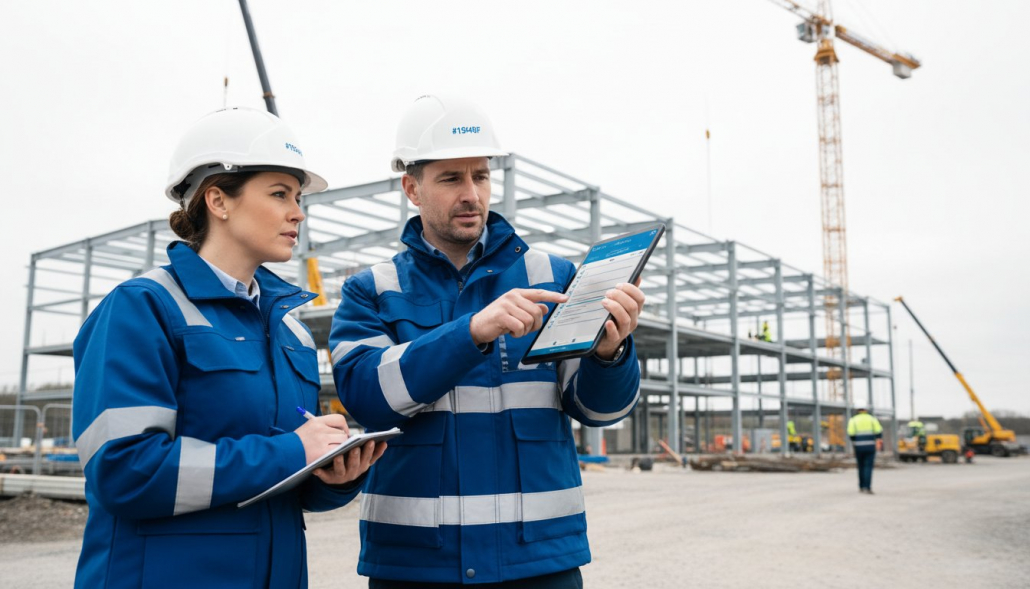
Navigating the complex landscape of UK construction safety regulations, from CDM 2015 to the latest HSE directives, can be a significant burden for any site manager. The constant pressure to maintain compliance, prevent accidents, and avoid costly fines or site shutdowns is immense. This is precisely why a comprehensive health and safety audit for a construction site is not merely a procedural task-it is a critical component of responsible project management and your first line of defence against risk.
This complete UK guide is designed to remove that pressure and provide you with a clear, actionable framework. We will demystify the entire process, breaking down your legal obligations and offering a practical checklist you can use immediately. By following our expert advice, you will understand exactly what a thorough audit entails, how to address shortcomings effectively, and how to maintain the documentation required to pass any potential HSE inspection with confidence. Let us help you ensure your site is not just compliant, but genuinely safe for everyone.
Key Takeaways
- Learn the critical distinction between a routine site inspection and a comprehensive audit, which evaluates your underlying safety management systems, not just individual hazards.
- A successful health and safety audit for construction site goes beyond a simple walkthrough; discover the core components it must cover to ensure your procedures are robust and legally compliant.
- Follow a clear, step-by-step process for conducting an audit and gain access to a practical checklist you can use to assess your own site’s performance.
- Determine when an internal review is sufficient and when engaging an independent external expert is essential for objective insights and demonstrating due diligence.
What is a Construction Site Health and Safety Audit? (And Why It’s Non-Negotiable)
A construction site health and safety audit is a systematic, independent, and documented review of an organisation’s entire health and safety management system. It is a critical deep-dive, designed to verify compliance with legal standards and identify systemic weaknesses before they lead to incidents. It is far more comprehensive than a routine site inspection, which typically focuses on immediate hazards, or a toolbox talk, which addresses specific risks. The primary goal is to assess the effectiveness of your policies, procedures, and practices, ensuring they are not just present on paper but are actively working to protect your team. This proactive approach is fundamental to maintaining high standards in Construction site safety.
The Legal Framework: Complying with HSE Requirements
Under UK law, particularly the Health and Safety at Work etc. Act 1974 and the Construction (Design and Management) Regulations 2015 (CDM), employers and site managers have a stringent duty of care. A formal audit provides documented proof that you have taken ‘reasonably practicable’ steps to manage risks. For the Health and Safety Executive (HSE), this is not a suggestion; it is a requirement. The consequences of non-compliance are severe and can include unlimited fines, imprisonment for individuals, and director disqualification, making a robust health and safety audit for construction site operations an essential part of your governance.
The Business Case: Protecting People, Profits, and Reputation
Beyond legal compliance, a diligent approach to safety audits delivers tangible business benefits. A strong safety culture is a profitable one. By proactively identifying and rectifying systemic failures, you are investing in the stability and growth of your company. Key advantages include:
- Reduced Accident Rates: Fewer injuries mean less downtime, reduced project delays, and consistent productivity.
- Lower Operating Costs: A strong safety record can lead to lower insurance premiums and helps you avoid costly legal battles and HSE fees for intervention.
- Enhanced Company Reputation: Demonstrating a commitment to safety makes your company a more attractive partner for clients, helping you win valuable new contracts.
- Improved Worker Morale: When workers feel safe and valued, morale and engagement increase, leading to a more positive and productive site culture.
The Core Components: What a Thorough Site Audit Actually Covers
A comprehensive health and safety audit for a construction site is not a simple box-ticking exercise. It is a systematic review designed to assess the effectiveness of your entire safety management system, not just to spot isolated hazards. A truly thorough audit provides a 360-degree view by examining three interconnected areas: the documentation that underpins your policies, the physical conditions on the ground, and the processes for managing high-risk work. While every site has unique challenges, these core principles of assessment apply universally.
Documentation and Management Systems
This is the foundation of your compliance. An auditor will scrutinise your paperwork to ensure that safety is planned, implemented, and recorded, not left to chance. This review confirms that your management systems are robust and fit for purpose. Key areas of focus include:
- Health and Safety Policy: Review of the core policy and evidence of its practical implementation.
- RAMS: Assessment of risk assessments and method statements to ensure they are suitable and sufficient.
- Competence and Training: Verification of worker induction records, qualifications, and ongoing training certificates.
- Incident Reporting: Checking that procedures for reporting accidents and near-misses are in place and records are maintained.
Site-Wide Physical Conditions and Hazards
Here, the audit verifies that documented policies are reflected in the site’s day-to-day reality. The physical state of a site provides immediate evidence of the prevailing safety culture. Auditors assess compliance with fundamental standards, many of which are detailed by the Health and Safety Executive (HSE), focusing on:
- Site Organisation: Clear signage, effective traffic management, and secure perimeter fencing.
- Good Order: General housekeeping, organised material storage, and compliant waste management.
- Welfare Facilities: Adequacy and cleanliness of toilets, washing areas, and rest facilities.
- Emergency Preparedness: Clearly marked fire points, accessible extinguishers, and defined assembly areas.
- Fire & Security Systems: Verification that fire alarm and security systems are professionally installed and maintained to meet regulations. Specialists such as Quartz Empire Fire & Security Ltd are often engaged to manage this critical aspect of site safety.
Maintaining good order and high standards of cleanliness, particularly in welfare facilities, is a simple but effective way to improve site safety and morale. Many sites outsource this to ensure consistent compliance, relying on professional commercial cleaners such as That’s Cleaning to uphold the necessary standards.
High-Risk Activities and Controls
Construction involves inherent risks, and a key part of any audit is to examine how the most hazardous tasks are controlled. An auditor will rigorously inspect the specific safety measures put in place for high-risk activities to ensure they effectively mitigate danger to workers. This critical inspection covers:
- Working at Height: Integrity of scaffolding, correct use of edge protection, and proper fall arrest systems.
- Excavations: Correct installation of shoring and support systems to prevent collapse.
- Lifting Operations: Crane maintenance records, LOLER certification, and proof of slinger/signaller competence.
- Specific Hazards: Controls for hazardous substances (COSHH) and measures for ensuring electrical safety on site.
The Audit Process: A Step-by-Step Walkthrough
A health and safety audit for a construction site should not be viewed as a test to pass or fail, but as a collaborative tool for continuous improvement. The process is designed to be transparent and supportive, providing your management team with the expert insight needed to enhance site safety and ensure compliance. To demystify the experience, we structure our audits into three distinct and logical phases, working in partnership with you from start to finish.
Phase 1: Planning and Preparation (Pre-Audit)
Effective preparation is the foundation of a valuable audit. In this initial phase, we work with your site management team to establish clear expectations. This involves defining the scope and objectives of the audit, whether it’s a general compliance check or a focus on a specific high-risk activity. We will request key documentation to understand your existing systems, including your health and safety policy, Risk Assessments and Method Statements (RAMS), training records, and evidence of compliance with core legislation such as the Construction (Design and Management) Regulations 2015. Finally, we schedule the on-site visit and agree on a clear itinerary to ensure minimal disruption to your operations.
Phase 2: The On-Site Assessment
This is where we observe your safety management system in action. The day begins with an opening meeting to confirm the plan with site management. Our auditor then undertakes a comprehensive site tour, making impartial observations of workplace conditions, active tasks, and general site practices. A key part of the assessment includes:
- Interviews: Engaging with operatives and supervisors to gauge their understanding of safety procedures and the overall site safety culture.
- Observation: Watching work activities to see if safe systems of work are being followed in practice.
- Documentation Sampling: Reviewing on-the-day records such as permits-to-work, plant inspection logs, and induction records.
Phase 3: Reporting and Follow-Up
Following the on-site visit, our findings are compiled into a formal, structured report. This document is not just a list of faults; it is a practical roadmap designed to help you stay safe and compliant. The report clearly details all non-conformities (where standards are not being met), observations (areas that could become future issues), and examples of good practice. Most importantly, we provide clear, prioritised recommendations for corrective actions. Each recommendation is accompanied by a realistic deadline, giving you an actionable plan to strengthen your safety performance and protect your workforce.
Your Essential Construction Site Audit Checklist
To prepare effectively for an external assessment, conducting regular internal checks is crucial. This checklist serves as a practical, actionable tool for site managers to self-assess their site’s current state of compliance. By systematically working through these key areas, you can identify and rectify potential issues before they become significant problems. Use this as a starting point for your internal health and safety audit for construction site management.
Please note: This checklist is a guide for internal preparation and is not a substitute for a comprehensive, professional audit conducted by a qualified safety consultant.
Site Setup & Welfare
The foundation of a safe site begins with its layout and the provision of adequate facilities. Verify that the fundamental elements of site organisation and worker welfare are in place and maintained to a high standard.
- Is the site perimeter secure with appropriate fencing and clear, compliant signage (e.g., “Danger Construction Site”) at all entrances?
- Are welfare facilities (toilets, washing areas, canteen) clean, fully stocked, and sufficient for the number of workers on site?
- Is there a documented traffic management plan that segregates pedestrians and vehicles, with clear markings and designated routes?
- Are fire points and first aid stations clearly identified, unobstructed, and properly equipped?
Plant, Equipment & PPE
All machinery and equipment must be fit for purpose and used correctly. Personal Protective Equipment (PPE) is the last line of defence and its proper use is non-negotiable. This section ensures your hardware and gear are compliant.
- Is all plant and equipment, particularly lifting gear (LOLER), subject to regular, documented inspections and certification?
- Are all workers wearing the correct, properly-fitted PPE for their specific tasks?
- Are portable electrical tools subject to regular Portable Appliance Testing (PAT), with records available?
- Is there a clear system for workers to report faulty equipment, and a designated quarantine area to prevent its use?
Documentation & Competency
A safe site is a well-documented one. Your paperwork provides the evidence that you have planned for safety and that your workforce is competent. An auditor will always scrutinise your records.
- Are site induction records complete and available for every person currently working on site?
- Are Risk Assessments and Method Statements (RAMS) available for all relevant tasks and have they been briefed to the operatives involved?
- Are training and competency records (e.g., CSCS cards, SMSTS, SSSTS, specific plant operator tickets) on file and up to date?
- Is the accident book correctly maintained, stored in a private location, and are RIDDOR procedures understood?
High-Risk Activities
Certain construction activities carry a significantly higher risk and demand more stringent controls. These areas require daily attention and specific, formal procedures to ensure they are managed safely.
- Is all scaffolding inspected weekly by a competent person and displaying an up-to-date Scafftag?
- Are excavations properly supported or battered back, and are they inspected daily before work commences?
- Are formal permits-to-work being issued and managed for high-risk tasks such as hot works or entry into confined spaces?
- Are detailed lifting plans in place for all crane operations, prepared by a competent Appointed Person?
While this checklist provides a solid framework, a professional, independent health and safety audit for construction site operations offers the assurance and expertise needed to be fully compliant. To ensure nothing is missed and to take the burden of compliance away from your team, get in touch with our expert consultants today.
Internal vs. External Audits: When to Call in the Experts
A key component of a mature safety management system is understanding not just how to perform a health and safety audit for a construction site, but who should conduct it. Both internal and external reviews have a distinct and valuable role to play in keeping your site compliant and your team safe. The decision isn’t about choosing one over the other; it’s about leveraging each for maximum effect.
The Role of Internal Audits
Regular internal audits are the bedrock of continuous safety improvement. Conducted by a competent site manager or an internal health and safety advisor, these checks are vital for maintaining established standards and reinforcing your safety culture on a day-to-day basis. They help identify immediate hazards and ensure control measures are working as intended. However, their primary limitation is familiarity. Over time, internal teams can develop blind spots, leading to a ‘checklist-ticking’ mentality that may miss deeper, systemic issues.
The Power of an Independent External Audit
An external audit provides a completely impartial and objective assessment of your site’s safety performance. An independent expert brings a fresh perspective, uninfluenced by internal politics or routines, and can identify non-compliance or systemic risks that have become normalised over time. This level of scrutiny is invaluable for true risk management.
- Unbiased Expertise: External auditors possess deep, current knowledge of HSE regulations, including complex areas like CDM 2015 duties.
- Enhanced Credibility: A formal report from an independent consultancy demonstrates due diligence and provides powerful assurance to clients, insurers, and regulatory bodies like the HSE.
- Systemic Improvements: They are skilled at looking beyond isolated incidents to identify root causes and recommend robust, long-term improvements to your safety management system.
Ultimately, a comprehensive approach to site safety should be a two-part strategy. Use internal audits to maintain your standards week to week, and engage external experts for a periodic, in-depth review that validates your processes and uncovers hidden risks. This proactive approach provides the ultimate peace of mind and demonstrates an unwavering commitment to safety.
If you require an objective and thorough assessment of your site, let our experts provide an impartial audit to take the burden away. Our accredited consultants can assist in ensuring you remain fully compliant and your workforce is protected. Get in touch with Safehouse Health and Safety Consultants Ltd today to discuss your requirements.
Your Path to a Safer, Compliant Construction Site
As we’ve detailed, a proactive approach to site safety is not just a legal requirement under UK regulations-it is the bedrock of a successful construction project. A regular, thorough audit moves beyond a simple box-ticking exercise; it is a critical process for identifying hazards, protecting your workforce, and upholding your professional reputation. The key is to implement a structured process that turns compliance from a burden into a core strength of your operation.
Carrying out a comprehensive health and safety audit for a construction site ensures you meet these obligations, but you don’t have to navigate it alone. As an accredited CITB and IOSH training provider with deep expertise in CDM 2015 regulations, Safehouse Health and Safety Consultants offers the specialist support you need. We are a local company with a nationwide reach, dedicated to taking the burden of compliance from your shoulders. Ensure your site is compliant and safe. Book a professional health and safety audit with our experts.
Take the definitive step towards a safer worksite today.
Frequently Asked Questions
How often should a construction site have a health and safety audit?
While no strict legal timeframe is dictated by the HSE, best practice recommends a formal audit at least annually. For complex or high-risk projects, or sites with a history of incidents, more frequent audits are advisable. The frequency should align with your company’s safety management system and any specific requirements from the principal contractor or client. Regular audits demonstrate a proactive commitment to maintaining a safe and compliant working environment for everyone on site.
What is the difference between a safety audit and a safety inspection?
A safety inspection is a snapshot in time, focusing on identifying immediate hazards and unsafe conditions on site, such as faulty equipment or incorrect use of PPE. In contrast, a safety audit is a systematic, in-depth review of your entire health and safety management system. It assesses policies, procedures, training records, and risk assessments to ensure they are not only compliant with UK regulations but are also effective and being implemented correctly across the project.
What are the most common failings found during a construction site audit?
Common failings often relate to documentation and on-site practices. These include incomplete or generic Risk Assessments and Method Statements (RAMS), inadequate welfare facilities, and poor site housekeeping. We frequently identify non-compliance with the Working at Height Regulations, such as improperly erected scaffolding or missing edge protection. Incomplete training records and a failure to conduct regular toolbox talks are also significant issues that a comprehensive audit will uncover, posing serious compliance risks.
What happens if our site fails a health and safety audit?
Failing a health and safety audit for a construction site is an opportunity to rectify issues before they lead to an incident or HSE intervention. You will receive a detailed report outlining all non-conformities, typically categorised by severity. A corrective action plan with clear deadlines will be established. Our consultants can assist you in implementing these changes to ensure you become fully compliant. A follow-up audit is often conducted to verify that all necessary improvements have been made.
How much does a professional construction site safety audit cost?
The cost of a professional audit depends on several factors, including the size and complexity of the construction site, the number of personnel, and the overall scope of the review. As a guide, a straightforward audit for a smaller site may start from around £400 – £600. For larger, more complex projects requiring a more in-depth systems analysis, the cost can be £1,000 or more. We provide a personal approach, offering a clear, bespoke quotation after an initial consultation.
Can a safety audit help lower our company’s insurance premiums?
Yes, it certainly can. Regularly conducting a thorough health and safety audit for a construction site demonstrates a proactive commitment to risk management. Insurance providers view this favourably, as it indicates you are actively working to prevent accidents and subsequent claims. Providing evidence of robust safety systems and independent audits can often lead to reduced premiums for your Employers’ Liability and Public Liability insurance, as your business is recognised as a lower-risk client.










Leave a Reply
Want to join the discussion?Feel free to contribute!